Strategic Poker Bonus Allocation on Mobile Platforms at Leading US Betting Destinations
Willa Müller · Aug 14, 2026
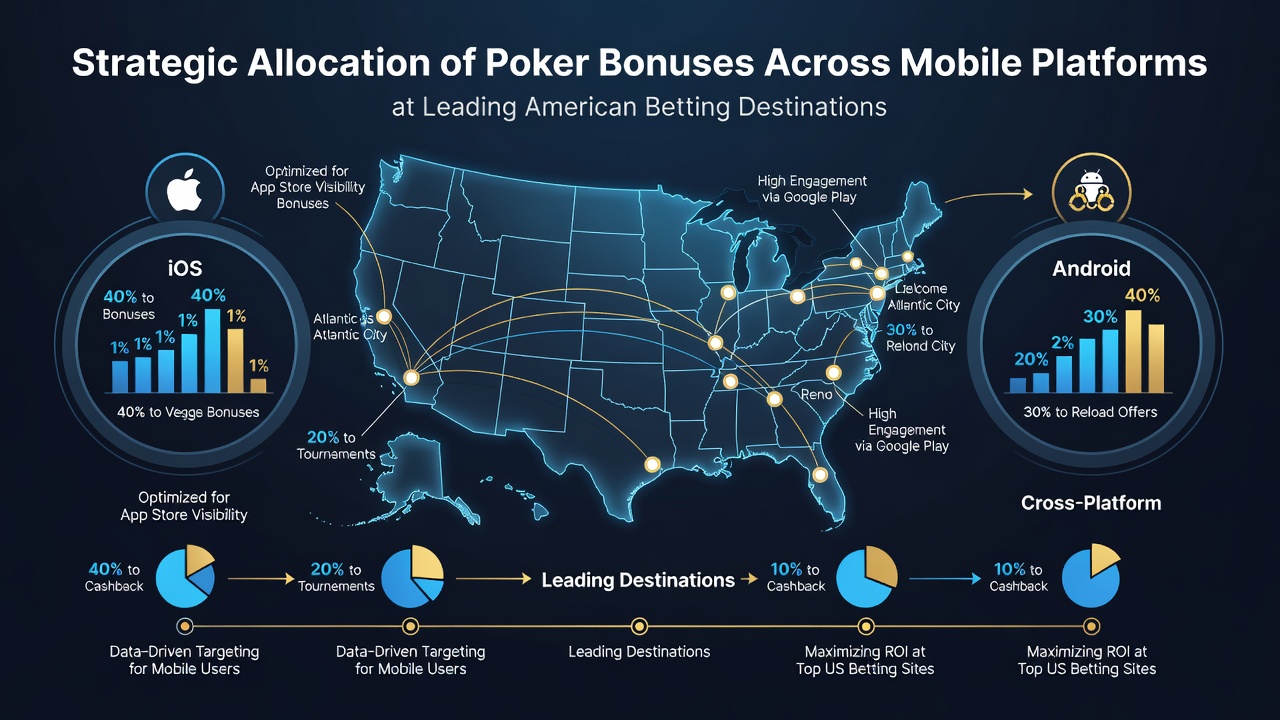
Strategic Poker Bonus Allocation on Mobile Platforms at Leading US Betting Destinations
Leading American betting destinations have refined their approaches to poker bonus distribution across mobile platforms, with operators in states like New Jersey and Pennsylvania directing resources toward app-based incentives that match user behavior patterns observed through 2026, and data from the American Gaming Association shows mobile poker activity accounted for a growing share of overall engagement in regulated markets during the first half of the year.
Mobile Platform Growth and Bonus Structures
Operators allocate poker bonuses strategically by analyzing session lengths, deposit frequencies, and game preferences on smartphones and tablets, while these platforms deliver targeted offers such as deposit matches and free tournament entries that activate only through dedicated apps. Figures reveal that mobile users in major markets receive layered promotions where initial sign-up rewards convert into ongoing reload incentives, and this method keeps engagement steady because players often return to the same device for daily or weekly challenges.
Research from industry reports indicates that app-exclusive poker bonuses frequently include rakeback percentages tied to mobile volume, whereas desktop versions emphasize different reward tiers, and those who've tracked player data note the shift helps platforms manage costs while meeting state regulatory requirements on promotional transparency.
Allocation Tactics at Major Destinations
At prominent US sites, bonus allocation follows patterns where new mobile accounts receive percentage-based matches on first deposits, and subsequent activity triggers additional credits based on rake generated during poker sessions. Observers note that destinations in states with mature markets have implemented loyalty ladders that escalate rewards for consistent app usage, and this structure encourages longer play periods without requiring separate desktop logins.
One case highlighted in recent analyses involves platforms that stagger bonus releases across the month, so players encounter fresh incentives mid-cycle rather than clustered at the start, and this timing aligns with peak mobile traffic hours reported in August 2026 data. Strategic placement of no-deposit poker bonuses serves as entry points for users testing apps, after which operators convert those players into depositing accounts through follow-up offers tied to specific game types like Texas Hold'em or Omaha variants.

Regional Variations and Data Insights
State-level regulations influence how bonuses reach mobile users, with operators in Nevada and Michigan adapting allocation models to local rules on bonus wagering, and reports from the Nevada Gaming Control Board document steady increases in mobile poker handle that correlate with refined promotional calendars. Those who've examined cross-state comparisons find that platforms often customize bonus values by region to account for differences in player density and competition levels.
Academic studies on digital gambling behaviors further show that mobile-exclusive poker bonuses tend to emphasize instant-play formats over multi-table tournaments, and this preference stems from shorter average session times on phones compared with desktop setups. Data indicates that reload chains, where one bonus completion unlocks the next, maintain activity levels across weeks, and operators track completion rates to adjust future allocations accordingly.
Player Response Patterns and Platform Adjustments
Players respond to mobile poker bonuses by prioritizing apps that offer seamless integration between bonus claims and game lobbies, while platforms respond by refining notification systems that alert users to available rewards without overwhelming in-app interfaces. Evidence suggests that cashback loops attached to poker losses on mobile keep participants engaged during downswings, and these mechanisms operate within state-mandated limits on promotional frequency.
Industry organizations have documented how sequential bonus structures create momentum, because completing one tier automatically qualifies users for enhanced versions of the next, and this approach appears across multiple leading destinations as a standard retention tool. What's interesting is that August 2026 saw platforms test hybrid bonuses that combine poker rake credits with access to casino-style side games, all delivered exclusively through mobile channels.
Conclusion
The strategic allocation of poker bonuses across mobile platforms at leading American betting destinations continues to evolve through data-driven adjustments and state-specific compliance measures, and operators maintain focus on matching incentives to actual usage patterns recorded on apps. This method supports sustained participation while adhering to regulatory frameworks that govern promotional activities nationwide.