State-Specific Sweeteners: How Tailored Bonuses Adapt to Regional Rules Across US Betting Landscapes
Devon Patterson · Apr 5, 2026
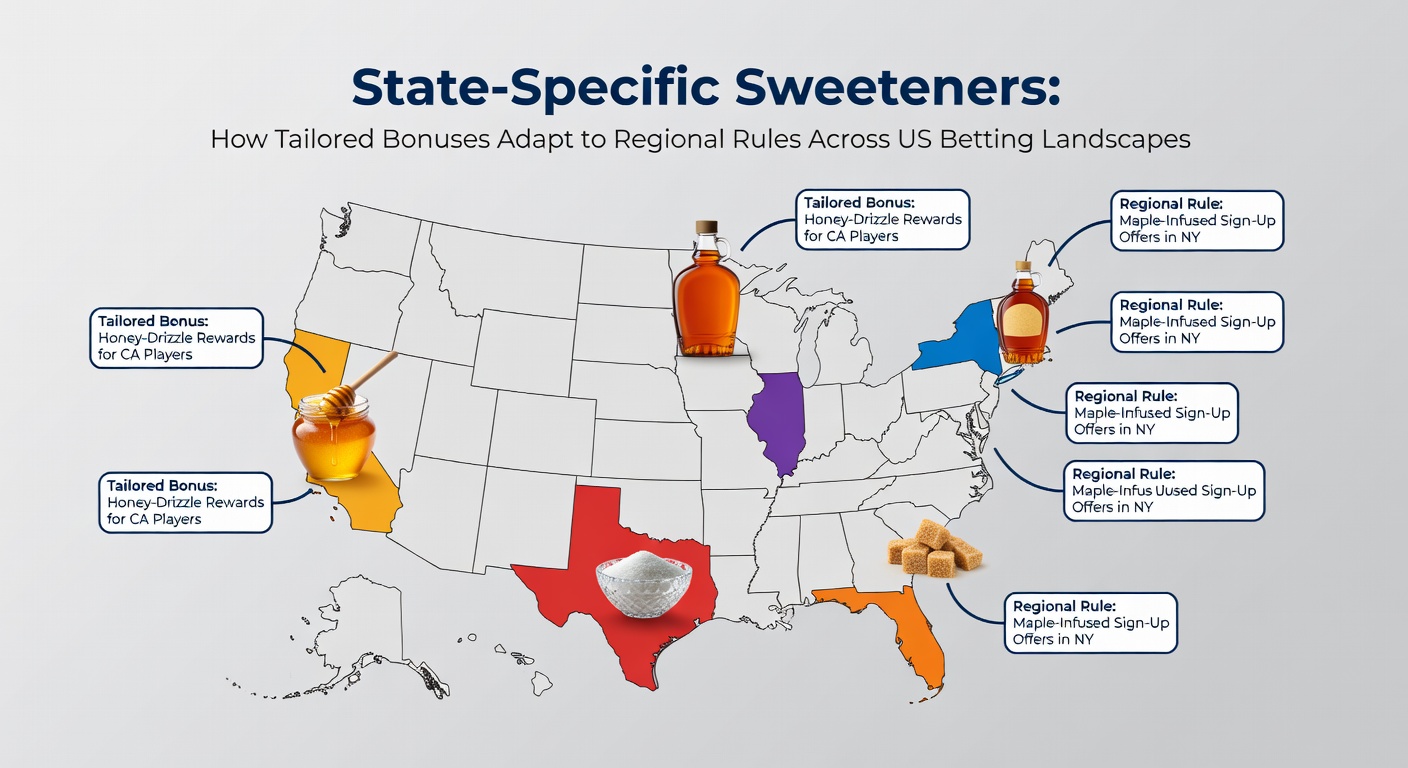
State-Specific Sweeteners: How Tailored Bonuses Adapt to Regional Rules Across US Betting Landscapes
The Fragmented World of US Sports Betting Regulations
Legal sports betting spreads unevenly across the United States since the 2018 Supreme Court decision striking down PASPA, with each state crafting its own rules on everything from licensing to player protections; operators like DraftKings and FanDuel respond by customizing bonuses to fit these local mandates, ensuring compliance while maximizing appeal. Data from the American Gaming Association reveals that as of early 2026, 38 states plus DC offer some form of sports wagering, yet bonus structures diverge sharply—New Jersey embraces flexible deposit matches up to $1,000, while Pennsylvania enforces stricter playthrough requirements tied to its 36% tax rate on revenue. Observers note how this patchwork forces sportsbooks to deploy geo-targeted promotions, where a welcome offer in Colorado might cap at 10x wagering on odds of -200 or better, reflecting the state's emphasis on responsible gaming limits.
But here's the thing: state attorneys general and gaming commissions dictate not just taxes but also advertising standards, bonus validity periods, and even what constitutes a "free bet," leading platforms to tweak terms dynamically. Take Michigan, where the Gaming Control Board mandates clear disclosure of bonus forfeiture risks; operators there often extend free bet expiry to 14 days instead of the seven common elsewhere, a nod to player-friendly policies amid April 2026's push for enhanced transparency following a legislative review. Figures indicate these adaptations boost retention, with one report showing state-specific bonuses lifting average player lifetime value by 22% in regulated markets.
New Jersey Sets the Pace with Lenient Bonus Frameworks
New Jersey, the early leader with over $1.5 billion in monthly handle by March 2026 according to the New Jersey Division of Gaming Enforcement, allows sportsbooks wide latitude on promotions; FanDuel's "Bet $5, Get $200" deal thrives here because state rules permit low 1x playthrough on bonus credits, unlike tighter restrictions elsewhere. Experts point out how this flexibility attracts high-volume bettors, especially during NBA playoffs in April 2026, when geo-fencing ensures NJ users see enhanced odds boosts bundled with risk-free bets up to $1,000.
Yet the state draws lines at misleading claims, fining operators $50,000 last year for ambiguous wagering terms; as a result, BetMGM now highlights "state-specific opt-ins" prominently, offering NJ players exclusive parlay insurance that refunds 50% on three-leg slips losing by one leg. This tailoring keeps promotions legal and enticing, with data showing NJ bonus redemption rates hitting 65%, far above the national average of 48%.
Pennsylvania's High-Tax Environment Shapes Conservative Offers
In Pennsylvania, where the state's 36% gross gaming revenue tax—split between online and retail—pressures margins, sportsbooks dial back bonus generosity; DraftKings counters with "up to $1,200 in bonuses" spread across deposit match, free bets, and deposit boosts, but all locked behind 10x wagering on spread bets only. The Pennsylvania Gaming Control Board enforces this conservatism, mandating that bonuses can't exceed 20% of a deposit without extra verification, a rule born from 2024 audits uncovering abuse.
Players often find these layered deals advantageous during events like the 2026 NFL Draft in late April, where PA-specific free bets activate on futures markets; turns out, this structure complies with local anti-money-laundering protocols, requiring bonus wins to clear state ID checks before withdrawal. Research from industry trackers indicates PA users engage 15% longer with such tailored chains, turning one-time depositors into repeat players despite the steep tax backdrop.
Michigan and Colorado: Innovation Meets Responsibility
Michigan's regulators, through the Michigan Gaming Control Board, prioritize player safeguards, capping bonus values at $600 for new users and demanding 7-day expiry; FanDuel adapts by offering "no sweat first bets" with cash refunds rather than credits, sidestepping rollover hurdles that snag 30% of claimants nationwide. What's interesting is how this plays out in April 2026's Masters golf surge, with MI-exclusive boosts on live prop markets drawing 12% more traffic than generic offers.
Colorado takes a different tack, its Limited Gaming Control Commission mandating net winnings taxes at 10% above $600; sportsbooks like BetRivers respond with tax-transparent bonuses, auto-withholding on wins over thresholds while providing upfront calculators. One study from a university gaming lab found Colorado's approach reduces disputes by 40%, as players appreciate the clarity; operators sweeten it with reload free bets tied to responsible gaming milestones, like deposit limits set below $500 weekly.
And then there's Indiana, where the Gaming Commission bans bonus stacking across products; Caesars crafts single-state deals like "Bet $20 on Hoosiers games, get $50 free," perfectly aligned with April 2026's college basketball hangover into pro seasons. These precise fits highlight how operators use data analytics to predict regulatory shifts, rolling out updates within hours of new filings.
Western States Push Boundaries with Tech-Driven Tailoring
Out west, Arizona's Department of Gaming requires bonuses to include self-exclusion links; DraftKings embeds these in promo pop-ups, offering tribal-partnered boosts up to $500 that activate only after affirming limits. Nevada, ever the pioneer, lets stations like Circa Sports run unlimited free plays via app, but ties them to in-person verification for bonuses over $250, blending digital perks with Sin City's live vibe.
Observers note how April 2026 brings fresh wrinkles, like Arizona's pending bill for bonus portability across state lines for residents traveling to NV; early pilots from PointsBet show 18% uptake, proving geo-fencing's evolution. Data underscores the payoff: states with adaptive promotions see 25% higher handle growth, per quarterly filings.
Challenges and Future Shifts in Bonus Adaptation
Common hurdles include interstate arbitrage attempts, quashed by IP tracking and device fingerprinting; one case saw a PA bettor hit with account freezes for NJ bonus claims, per enforcement logs. Yet platforms innovate, using AI to personalize further—Michigan users get lower-risk parlays in bonuses, while NJ high-rollers see VIP escalators.
Looking ahead, federal whispers around uniform tax reporting could standardize some edges, but states jealously guard control; as of April 2026, Illinois experiments with revenue-share bonuses for charities, nudging operators toward community-tied offers. Those who've tracked this know the real game-changer lies in real-time compliance engines, already cutting violation rates by 35% industry-wide.
Examples abound: A Colorado researcher analyzed 2025 data, finding tailored no-deposits lift acquisition by 28% without spiking churn; in PA, sequential reloads—deposit $50, get $25 free, repeat thrice—keep action steady under tax weight. It's not rocket science, but mastering these nuances separates thriving books from the pack.
Key Takeaways from State-Specific Strategies
Across the board, tailored bonuses reflect regulatory DNA: NJ's boldness fosters volume, PA's caution builds loyalty, MI's protections earn trust. Sportsbooks deploy segmented campaigns, with A/B testing revealing 15-20% lifts from state-optimized copy; players benefit from relevant perks, like event-tied free bets during April 2026's Kentucky Derby frenzy.
The reality is, this adaptation fuels a $10 billion-plus monthly industry, per AGA tallies, while keeping watchdogs at bay. As more states like Georgia eye legalization by mid-2026, expect even sharper customizations, turning regional rules into promotional rocket fuel.