Sequencing Layered Incentives Across US Platforms: Player Transitions from Mobile Welcomes to Poker and Sportsbook Reload Chains
Uma Schmitt · Jul 21, 2026
Sequencing Layered Incentives Across US Platforms: Player Transitions from Mobile Welcomes to Poker and Sportsbook Reload Chains
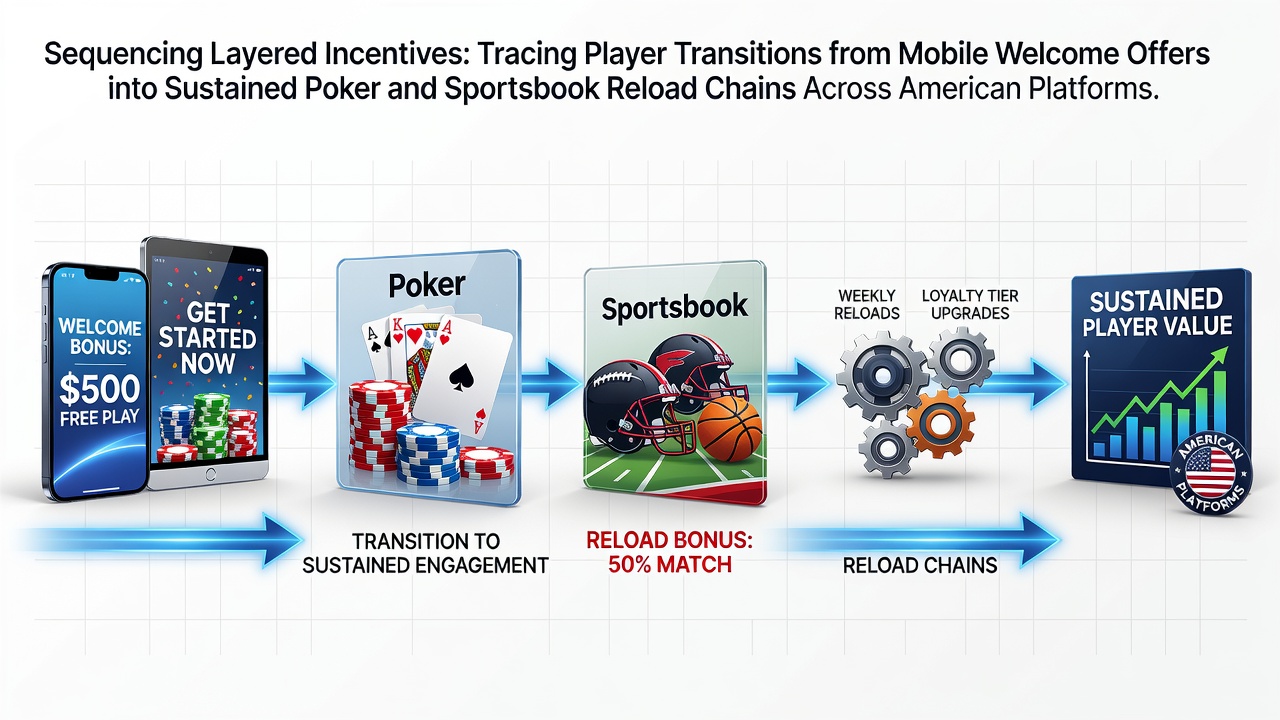
American online betting platforms have refined sequences of incentives that guide players from initial mobile welcome packages into extended chains of reload offers, and these patterns appear across both poker rooms and sportsbook sections. Data from state regulatory filings shows that operators in markets like New Jersey and Pennsylvania structure bonuses to encourage repeated deposits after the first interaction, with welcome credits often converting into tiered reload mechanisms that span weeks or months. As of July 2026, figures from industry tracking services indicate that mobile app downloads account for over 70 percent of new account creations, making the transition from welcome offers to sustained activity a central focus for platform design.
Initial mobile welcome offers typically combine deposit matches with free bets or poker tournament tickets, yet these entry points serve as gateways rather than standalone rewards. Operators sequence the release of these benefits across multiple steps, requiring players to complete wagering thresholds before unlocking the next layer, and this approach maintains engagement while complying with state-specific rules on bonus terms. Researchers at the University of Nevada, Las Vegas have documented how such sequencing reduces early churn rates by aligning bonus activation with natural player behaviors like weekend sports events or evening poker sessions.
Transition Pathways from Welcome to Reload Structures
Once players complete the welcome sequence, platforms shift them into reload chains that emphasize recurring deposits, and these often incorporate poker-specific freerolls alongside sportsbook parlay boosts. The ball stays in the operator's court here because the timing of each reload notification aligns with user activity data collected through the mobile app, creating a feedback loop that feels personalized. Studies from the American Gaming Association highlight that reload participation rates climb when offers reference prior welcome usage, such as matching a percentage of the second and third deposits at escalating rates.
Observers note that poker sections leverage these transitions differently than sportsbooks, with reload ladders frequently tied to rake-back percentages that accumulate over time, whereas sportsbook reloads favor risk-free bets on specific leagues. But here's the thing: the underlying data architecture remains consistent across both verticals, pulling from the same player profiles to determine eligibility and offer value. One study revealed that users who move from welcome bonuses into at least three consecutive reloads show retention periods averaging 45 percent longer than those who stop after the initial package.
Layered Mechanics in Poker and Sportsbook Environments
Layered incentives in poker rooms often involve sequential freerolls that escalate in buy-in value, and these connect directly to deposit requirements that mirror sportsbook reload patterns. Players who accept a mobile welcome tournament ticket, for instance, receive follow-up offers that scale with their continued play volume, and this progression keeps them inside the ecosystem without abrupt changes in reward structure. Data shows that during July 2026, poker traffic on major US apps increased 12 percent month-over-month in states with mature markets, coinciding with reload promotions that stacked on top of earlier welcome credits.
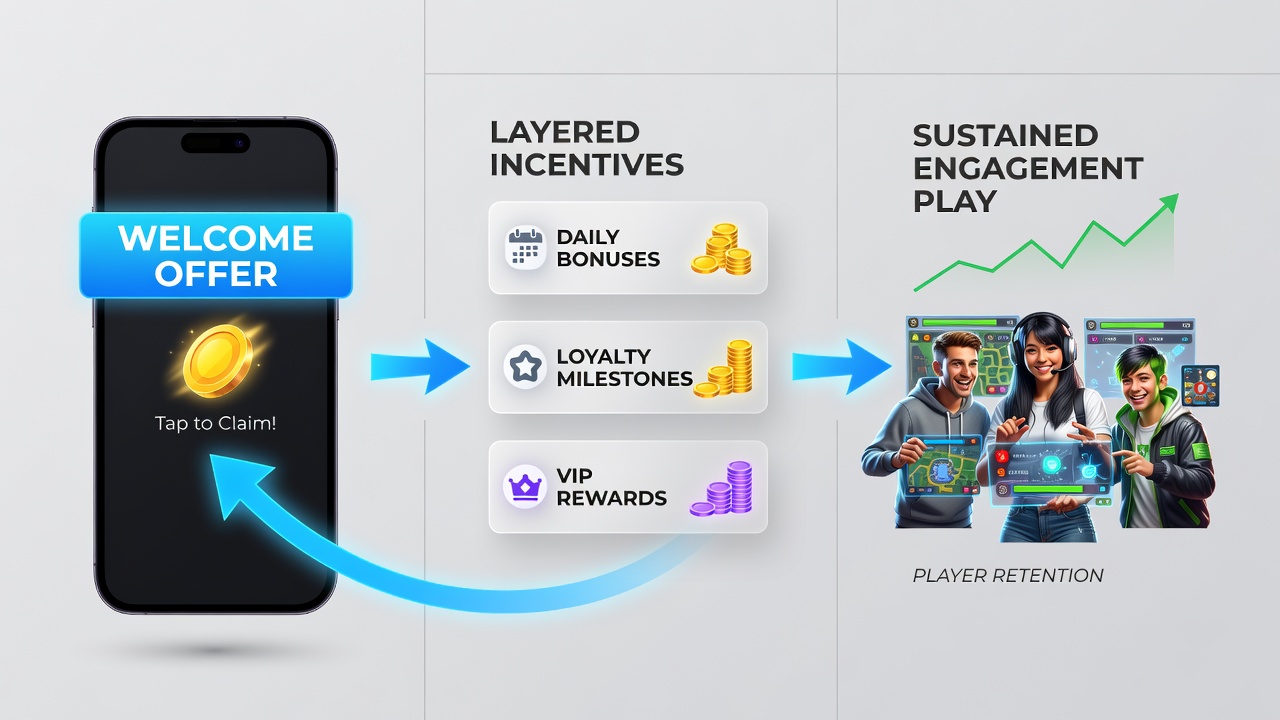
Sportsbook reload chains, by contrast, frequently bundle cashback loops with parlay insurance, and these elements activate only after players have progressed past the welcome stage. The reality is that operators use cross-vertical tracking to identify when a welcome recipient shifts focus from casino games to sports, then adjust the next reload accordingly to maintain momentum. According to reports published by the American Gaming Association, reload utilization in hybrid accounts that include both poker and sports wagers exceeds single-vertical accounts by measurable margins, underscoring the value of sequenced offers.
Platform Variations and Regulatory Context
Different US platforms implement these sequences with distinct pacing, yet all must navigate varying state regulations that cap bonus values and dictate wagering requirements. In markets where mobile play dominates, operators test shorter intervals between reload triggers to match user session lengths, and this experimentation draws on aggregated data rather than individual targeting alone. What's interesting is that July 2026 saw several platforms introduce weekend-specific reload ladders that build on weekday welcome redemptions, creating a weekly rhythm that aligns with typical betting patterns.
Those who've examined transaction logs across multiple apps find that successful transitions depend on clear communication of the sequence through in-app notifications, and abrupt changes in offer structure correlate with higher drop-off. A separate analysis from Canadian regulatory bodies tracking cross-border player trends supports the observation that consistent sequencing improves lifetime value metrics without increasing problem gambling flags when responsible gaming tools remain accessible.
Conclusion
The sequencing of layered incentives on American platforms demonstrates a deliberate progression from mobile welcome offers into sustained poker and sportsbook reload chains, with data indicating measurable effects on player retention across regulated states. Operators continue to refine these pathways using activity metrics collected in real time, and the patterns observed through July 2026 reflect ongoing adaptation to both regulatory requirements and user engagement signals. This structured approach remains central to how platforms manage transitions while operating within established legal frameworks.