Seasonal Triggers Reshaping Stacked Promotional Layers in State-Licensed US Online Betting Platforms
Nils Becker · Jul 10, 2026
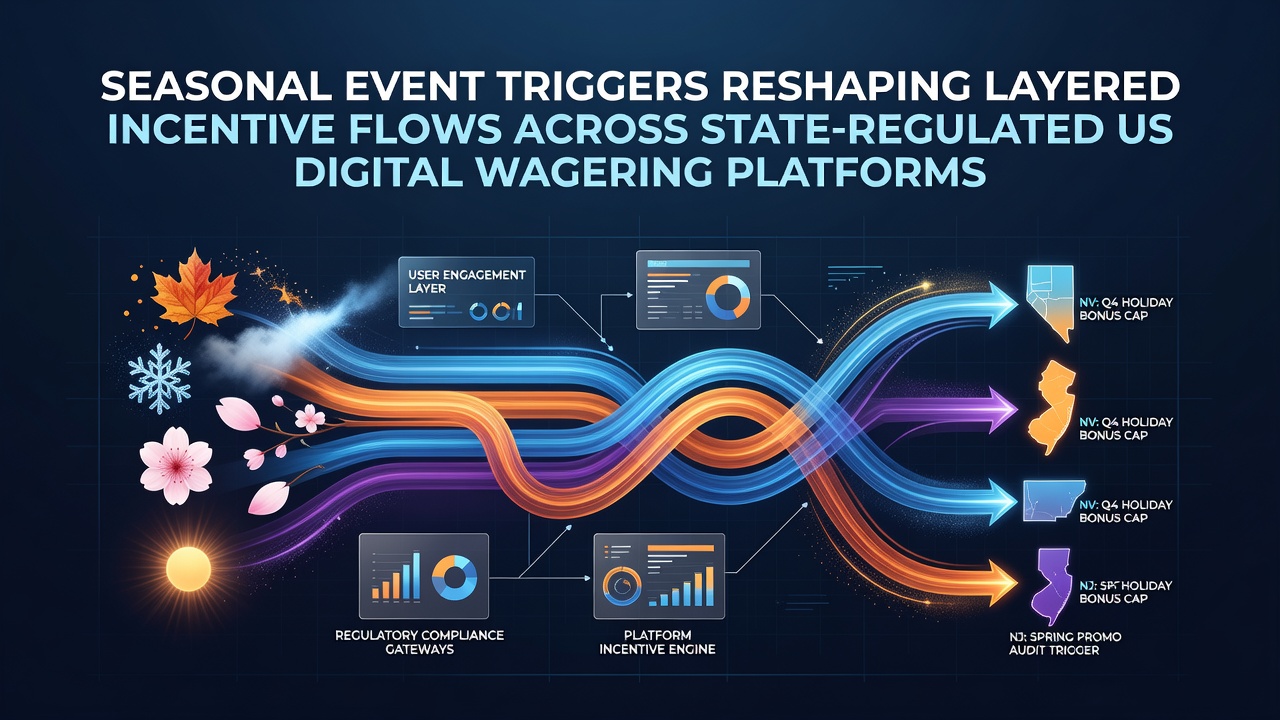
Seasonal Triggers Reshaping Stacked Promotional Layers in State-Licensed US Online Betting Platforms
Seasonal sporting calendars and holiday periods continue to drive adjustments in how operators structure multi-tiered rewards across state-regulated digital wagering platforms in the US, where events such as the NFL regular season launch, March Madness brackets, and major summer tournaments prompt operators to recalibrate welcome packages, reload sequences, and cashback mechanisms in line with fluctuating user volumes.
Data compiled by the American Gaming Association shows that promotional spend on these platforms rises sharply during peak event windows because operators layer free bets, deposit matches, and loyalty multipliers to capture attention amid heightened competition, yet these structures must remain compliant with each state's specific licensing rules that govern bonus terms and player eligibility.
NFL Season Openers and Early Fall Incentive Realignments
Operators in states including New Jersey, Pennsylvania, and Michigan typically initiate new promotional cycles in late August and early September as the NFL schedule begins, because historical traffic patterns indicate a surge in account creations and deposit activity during opening weekend, prompting platforms to introduce sequential reload offers that escalate from initial match bonuses to ongoing risk-free bet ladders once a player completes a set number of wagers.
These layered flows often connect directly to in-game events such as Thursday Night Football or Monday Night matchups, where operators add time-limited cashback loops that return a percentage of losses on specific markets, and the mechanics are calibrated so that higher tiers unlock only after users reach volume thresholds established in the platform's terms.
March Madness Bracket Activity and Spring Bonus Cascades
College basketball tournaments generate another distinct wave of incentive adjustments each March, with platforms in states that permit college sports wagering expanding their free bet ladders to cover daily bracket challenges and parlay multipliers, while data from regulatory filings indicate that average daily active users can increase by double-digit percentages during the first two rounds, leading operators to shorten the duration of certain deposit-match offers to manage liability exposure.
Researchers tracking player behavior at the University of Nevada, Las Vegas have documented how these tournament-driven promotions encourage users to progress through multiple bonus stages within a compressed timeframe, because the combination of no-deposit entry rewards and subsequent reload chains keeps engagement elevated even when individual game outcomes produce losses.
Summer Events Including the 2026 FIFA World Cup Window
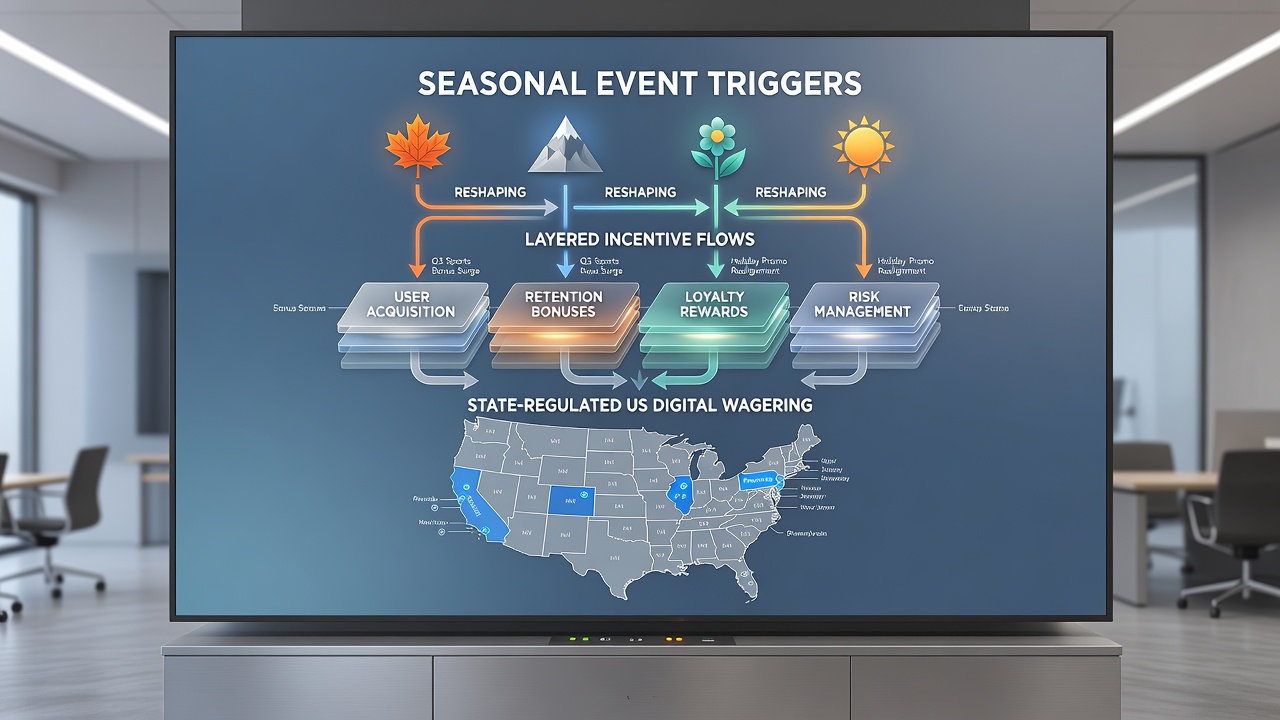
July 2026 coincides with the later stages of the FIFA World Cup hosted across North American venues, and operators in states with active soccer wagering markets are already preparing stacked promotional tiers that begin with low-barrier entry offers in early summer and transition into higher-value free bet sequences once group stage matches conclude, because traffic analytics from previous international tournaments show sustained interest through knockout rounds.
These adjustments must align with state rules that cap bonus values or require specific wagering requirements before funds become withdrawable, which means the incentive flows become more granular, with separate tiers for live betting markets versus pre-match selections to maintain compliance while still responding to event-driven demand spikes.
Regulatory Frameworks and Layered Compliance Requirements
Each state maintains its own oversight mechanisms through bodies such as the Nevada Gaming Control Board and the New Jersey Division of Gaming Enforcement, requiring operators to submit promotional plans in advance so that layered incentives do not violate advertising standards or create unfair player advantages, and these submissions often detail how seasonal triggers will influence the timing and structure of reload chains and cashback programs.
Operators therefore build flexibility into their systems by pre-defining multiple bonus pathways that activate automatically when traffic thresholds or calendar dates are met, allowing rapid deployment of event-specific offers without repeated regulatory review for each individual change.
Impact on Player Progression and Platform Retention Metrics
Studies of user retention patterns across multiple state markets reveal that platforms employing sequential incentive structures tied to seasonal calendars achieve higher completion rates for bonus wagering requirements during active event periods, because the combination of immediate rewards and follow-on offers encourages continued deposits and play even after initial bonuses are exhausted.
Industry reports further indicate that these layered approaches help stabilize revenue streams during shoulder seasons, where operators introduce targeted cashback loops or insurance-style bets on marquee events to reduce player churn when overall volumes begin to decline after major tournaments conclude.
Conclusion
Seasonal event calendars continue to serve as primary catalysts for the evolution of stacked promotional mechanics on state-regulated US digital wagering platforms, with operators refining how welcome offers, reload sequences, and cashback mechanisms interconnect to match fluctuating demand while remaining within the boundaries set by individual state regulators. The result is a dynamic environment where incentive flows adapt in real time to sporting schedules, regulatory filings, and observed player behavior patterns, producing structured yet responsive reward systems that operate consistently across different market conditions.