Multi-Stage Incentive Structures Shaping Retention at Leading American Wagering Platforms
Uma Schmitt · Jul 14, 2026
Multi-Stage Incentive Structures Shaping Retention at Leading American Wagering Platforms
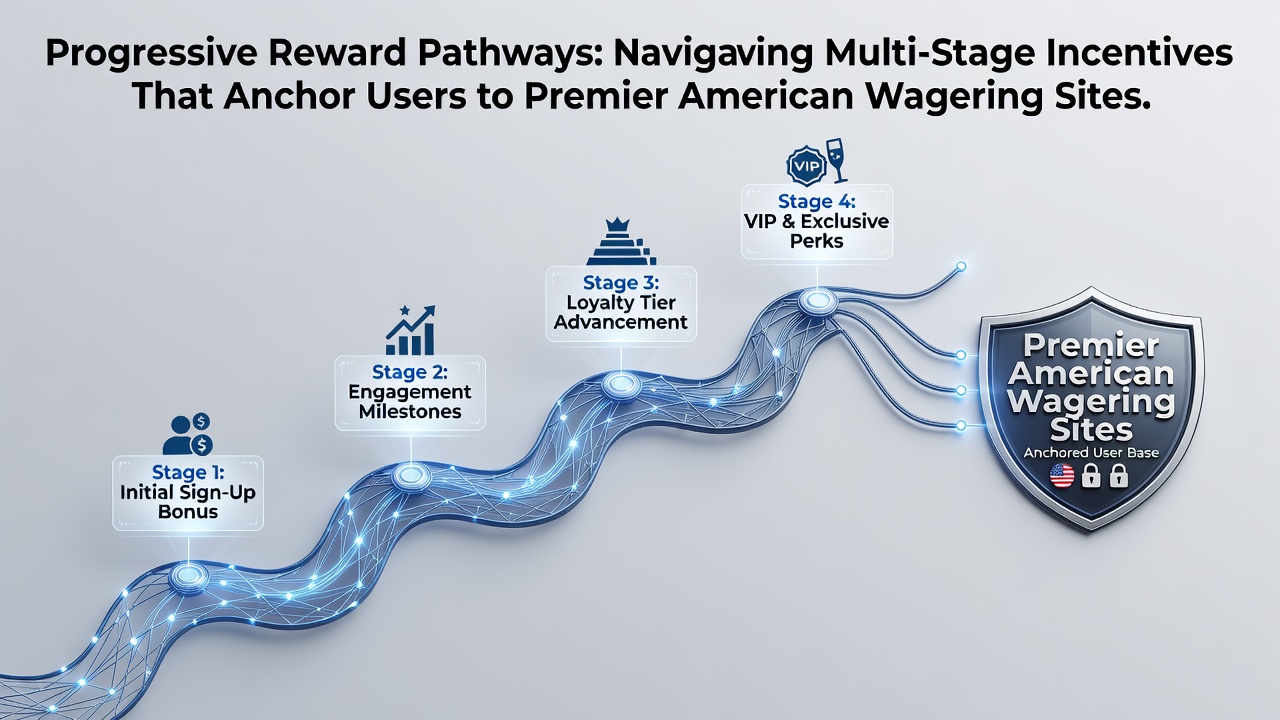
Multi-stage incentive programs have become central to how premier American wagering sites maintain user engagement over extended periods, and data from July 2026 shows continued expansion of these layered systems across major operators. These pathways typically begin with initial deposit matches followed by additional free bets or cashback tiers that unlock only after specific wagering volumes or time-based milestones are reached. Operators structure rewards so that each completed stage leads directly into the next, creating a continuous loop that encourages repeated activity rather than one-time sign-ups.
Research from the American Gaming Association indicates that platforms using sequential bonus ladders report higher average session lengths compared to those offering single-stage promotions. The design often incorporates deposit requirements that scale upward, with the second or third stage delivering enhanced percentages or larger free bet amounts once prior conditions are satisfied. Users who progress through all phases receive cumulative benefits that exceed what standalone offers provide, which explains why many sites emphasize completion tracking within their mobile applications.
How Tiered Systems Operate Across Major Operators
Premier US sportsbooks and casinos implement these pathways through clearly defined stages that activate automatically once predetermined criteria are met. The first stage usually covers a welcome deposit match combined with a modest free bet, while later stages introduce insurance bets, cashback percentages, or enhanced odds that become available only after the initial wagering threshold clears. Observers note that this sequencing prevents early withdrawal of funds and keeps balances active within the platform ecosystem.
One common structure starts with a 100% match up to a set limit, followed by a second deposit trigger that releases additional free bets worth a percentage of the new amount. Subsequent stages may require a minimum number of bets placed within a seven-day window before unlocking reload bonuses or loyalty points that convert into site credit. These conditions vary by operator yet follow similar patterns that prioritize sustained participation over immediate large payouts.
Data Trends Observed in Mid-2026
Figures released in July 2026 from industry tracking services reveal that reload chains and multi-stage promotions now account for a significant portion of total bonus value distributed by top platforms. Players who engage with at least three stages of a pathway demonstrate retention rates that exceed those completing only the entry-level offer. The pattern holds across both sports betting and casino verticals, with mobile-exclusive tiers showing particular strength in user continuation metrics.
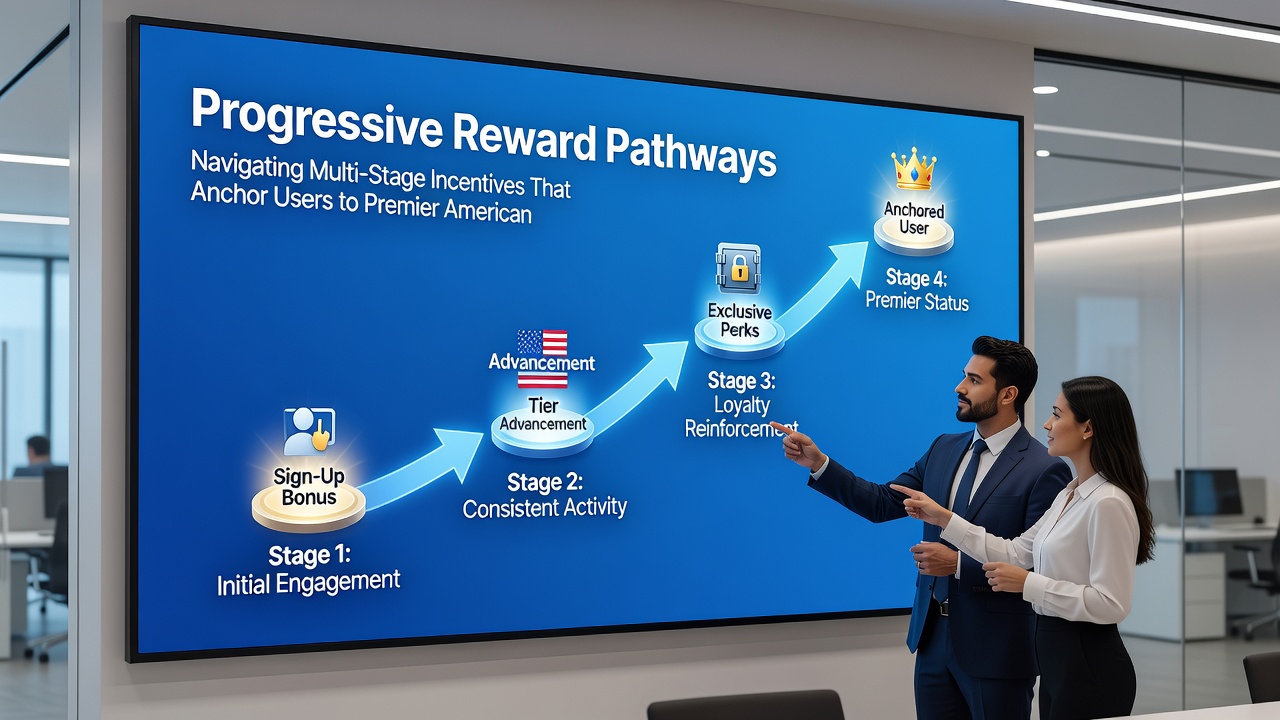
What's interesting is how operators adjust stage requirements seasonally, often aligning higher tiers with major sporting events to capitalize on increased traffic. Data shows that pathways incorporating both deposit and activity-based conditions generate more consistent engagement than those relying solely on funding milestones. Those who've examined player behavior across several months report that completion of the full sequence correlates with elevated lifetime value for the platform.
Examples of Sequential Bonus Ladders in Practice
Take one major East Coast sportsbook that runs a four-stage welcome pathway where each level releases additional free bets only after prior wagering targets are achieved. The structure begins with a standard match, then introduces cashback on losses once the second deposit processes, followed by enhanced parlay boosts and finally a loyalty multiplier that applies to all future bets. Similar models appear on casino-focused sites, where slot tournaments and table game cashback unlock progressively based on accumulated handle.
Another platform combines insurance bets into the middle stages, allowing users who reach the third tier to recover a portion of losing wagers as site credit. This approach keeps funds circulating rather than exiting after early losses, and tracking tools within the app display remaining requirements in real time to maintain visibility into progress. Researchers from academic institutions studying gambling behavior have documented that such visible progression markers increase the likelihood of continued play.
Integration With Loyalty and VIP Programs
Progressive pathways frequently feed directly into ongoing loyalty frameworks, where points earned during bonus stages convert into tier status that unlocks permanent benefits. Once a player advances through the initial sequence, accumulated activity determines placement in bronze, silver, or gold levels that deliver weekly reloads or personalized cashback rates. This connection transforms short-term promotions into long-term retention mechanisms.
Platforms report that users entering VIP tracks via completed pathways show stronger engagement with subsequent offers compared to those joining loyalty programs independently. The transition happens seamlessly because stage completion automatically populates loyalty accounts with qualifying points, removing friction between the two systems.
Conclusion
Multi-stage incentive structures continue to evolve as American wagering platforms refine conditions to balance regulatory compliance with player retention goals. The emphasis on sequential unlocking creates measurable differences in how long users remain active, adn July 2026 data confirms these pathways remain a dominant feature of the competitive landscape. Operators that maintain clear progression tracking and varied reward types across stages position themselves to sustain engagement more effectively than those relying on isolated promotions.