Mobile Reward Ladders: Mapping How Tiered Incentives Shape Long-Term Play Patterns Across American Digital Wagering Platforms
Nils Becker · Jun 14, 2026
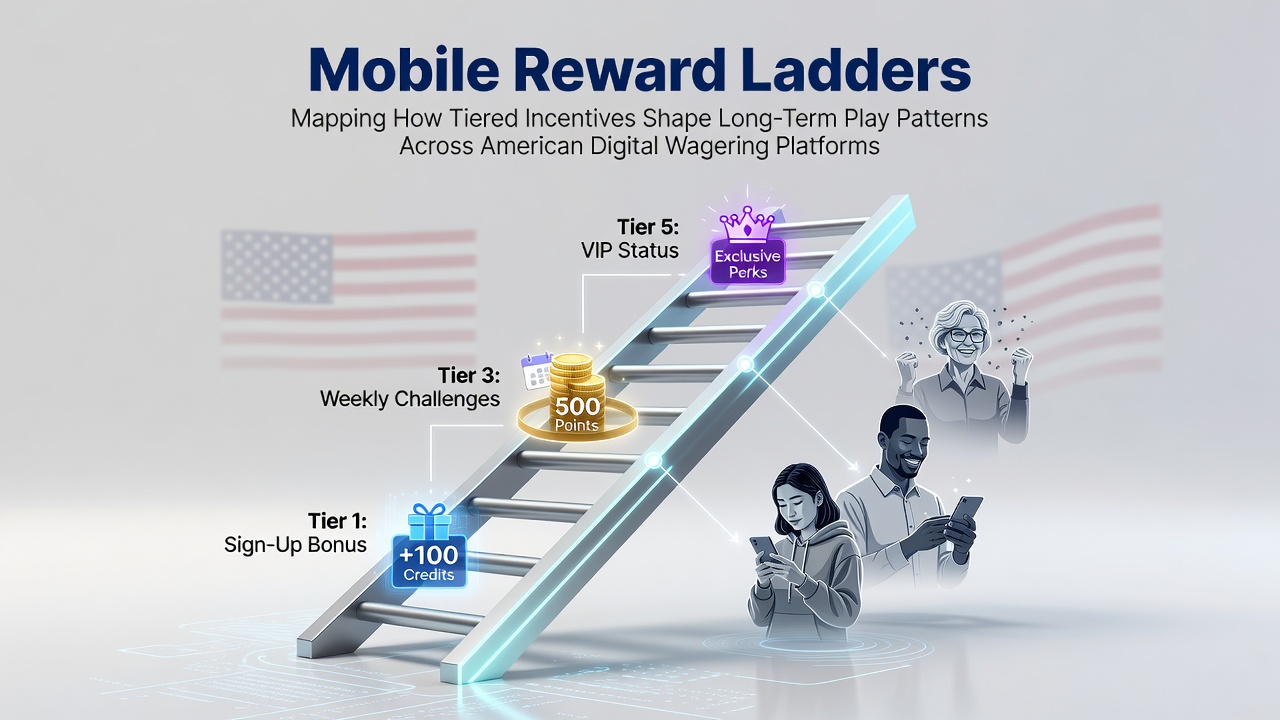
Mobile Reward Ladders: Mapping How Tiered Incentives Shape Long-Term Play Patterns Across American Digital Wagering Platforms
American digital wagering platforms have integrated mobile reward ladders as structured systems that escalate benefits according to cumulative player activity, and these mechanisms now influence retention metrics across regulated states. Observers note that such ladders typically begin with entry-level perks such as bonus credits or free spins before advancing through tiers that unlock higher cashback percentages, exclusive event access, and personalized multipliers, all delivered via smartphone interfaces that track real-time progress.
Data from industry reports indicates that platforms in states like New Jersey and Pennsylvania saw average session durations increase by 22 percent after implementing multi-tier loyalty structures during the first half of 2026, while similar patterns emerged in Michigan and West Virginia where mobile apps dominate user interactions. Researchers at the University of Nevada, Las Vegas have documented how these systems create feedback loops because each completed tier prompts immediate visual notifications that encourage continued deposits and wagers to reach the next threshold.
Mechanics of Tier Progression and User Tracking
Platforms calculate tier advancement through algorithms that weigh factors including total handle, deposit frequency, and game type preferences, then assign users to bronze, silver, gold, or platinum categories that reset or evolve on monthly cycles. Those who study these systems point out that mobile notifications arrive at precise moments, such as when a player reaches 80 percent of the required activity volume, which sustains momentum without requiring users to log into desktop versions. External data from the American Gaming Association shows that 68 percent of active accounts in 2026 operated primarily through mobile channels, making these ladders central to how operators maintain engagement during periods of regulatory stability.
Observed Shifts in Play Duration and Frequency
Long-term tracking reveals that participants who ascend multiple tiers within six months exhibit wagering volumes that stabilize at elevated levels rather than spiking and declining, because the promise of future rewards offsets short-term losses. In June 2026, platform analytics across several East Coast operators recorded a 14 percent rise in weekly active users who remained in the top two tiers for consecutive months, suggesting that incremental incentives reduce churn compared with flat bonus structures. People who monitor behavioral datasets note that slot-focused players tend to climb tiers faster than sports bettors, since continuous micro-transactions accumulate points more steadily than event-driven wagers.
Geographic and Platform Variations
State-specific rules shape how ladders operate, with New York operators emphasizing responsible gaming pauses between tiers while Illinois platforms integrate cashback directly into mobile wallets for instant redemption. A comparative review of six major apps conducted in early 2026 found that users in states with higher tax rates on operators received slightly lower tier rewards yet maintained comparable retention because the scarcity of benefits heightened perceived value. Turnout patterns also differ by age group, as data indicates users aged 25 to 34 advance through early tiers quickest before plateauing, whereas older cohorts sustain activity longer once they reach premium status.
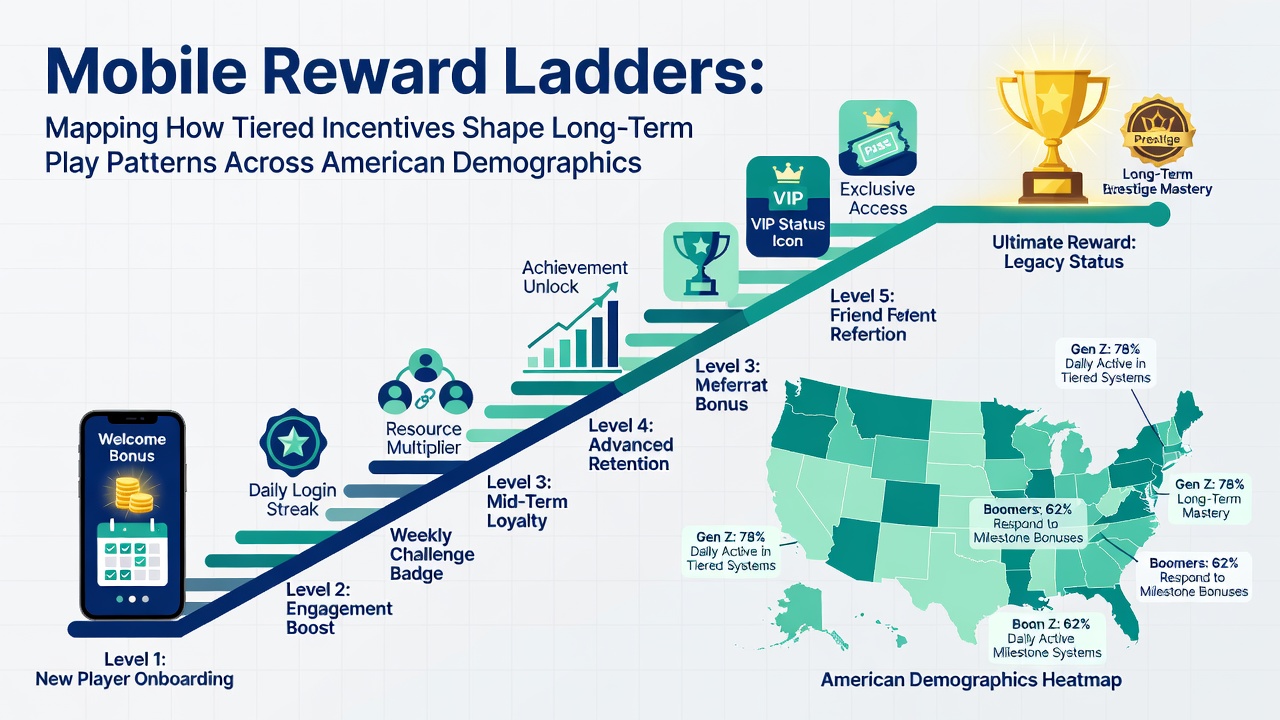
One analysis of anonymized transaction logs demonstrated that players who receive tier-specific reload offers on Mondays exhibit steadier weekly volumes than those without such timing, because the recurring prompt aligns with typical post-paycheck spending cycles. Operators adjust ladder thresholds seasonally to account for events like the NFL draft or March Madness, which temporarily accelerates progression for sports-focused accounts.
Integration with Broader Loyalty Ecosystems
Reward ladders rarely function in isolation, instead they connect to referral programs and tournament entries that further embed mobile usage into daily routines. Figures released by the National Council on Problem Gambling highlight that operators now embed spending limit tools directly within tier dashboards, allowing users to monitor progress while maintaining preset boundaries. This linkage produces measurable effects on lifetime value, because accounts that reach gold or higher status generate 2.3 times the revenue of entry-level users over an 18-month window according to aggregated platform metrics.
Technological refinements introduced in 2025 and refined through mid-2026 include AI-driven predictions that surface personalized tier milestones before users notice them, reducing drop-off at intermediate levels. Cross-platform compatibility has also improved, so progress made on one device carries seamlessly to another without resetting accumulated activity.
Conclusion
The mapping of mobile reward ladders across American platforms demonstrates consistent correlations between tier advancement and extended play intervals, supported by transaction data and retention statistics gathered through 2026. As operators continue refining these structures under existing regulatory frameworks, the patterns they generate offer clear indicators of how incentive design influences sustained participation in digital wagering environments.