Mapping Sequential Incentives Across US Gaming Platforms
Jordan Weber · Sep 3, 2026
Mapping Sequential Incentives Across US Gaming Platforms
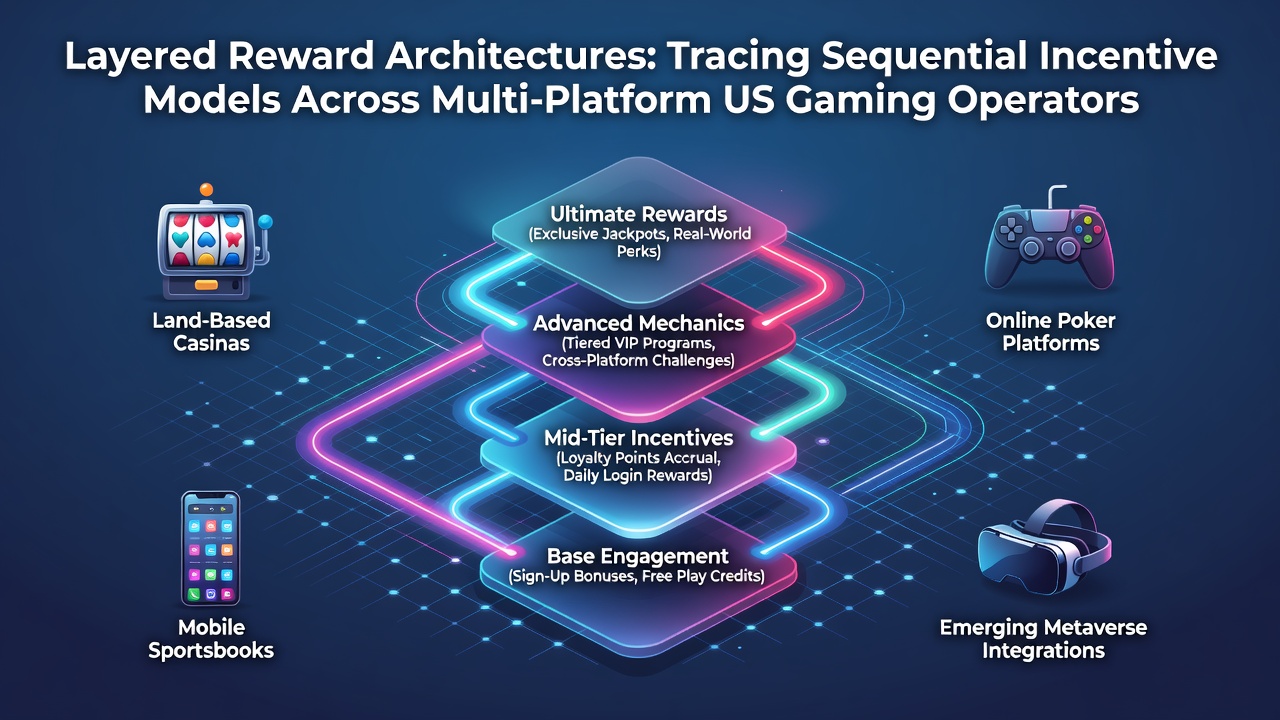
US gaming operators have refined layered reward architectures that connect sequential incentives across mobile apps, desktop sites, and retail locations, and these systems operate through structured progressions that begin with initial deposits and advance into reload sequences plus tiered loyalty credits. Data collected through September 2026 shows operators in regulated states maintaining active programs that link daily login rewards with weekly deposit matches and monthly cashback cycles, while the American Gaming Association reports consistent growth in multi-platform engagement metrics.
Sequential models typically start with a welcome package that unlocks in stages, and each stage requires specific wagering thresholds before the next layer activates. Operators design these chains so that players move from free bet credits into matched deposits and then into exclusive tournament entries, yet the progression remains tied to account activity across devices rather than isolated sessions.
Core Components of Layered Systems
Research from state gaming commissions indicates that most layered programs divide rewards into base, intermediate, and premium tiers, and each tier carries distinct eligibility rules that reference prior activity. Base tiers often deliver small daily credits, intermediate levels unlock enhanced reload percentages, while premium status grants access to personalized offers and higher cashback rates, and players advance by completing cumulative play requirements that reset on monthly cycles.
One major East Coast operator introduced a system in early 2026 that required users to complete three sequential deposit actions within seven days before unlocking a fourth-layer tournament ticket, and similar structures appear in Midwest and West Coast markets where regulators track compliance through centralized reporting. These models reduce isolated promotions by embedding each incentive inside a longer sequence that encourages continued platform use.
Multi-Platform Integration Patterns
Operators synchronize rewards so that progress made on a mobile app carries forward to desktop sessions and retail kiosks, and this cross-device tracking relies on unified player accounts that log every transaction regardless of access point. Figures from industry reports show that accounts active on at least two platforms generate higher average monthly handle than single-platform accounts, and operators attribute the difference to seamless incentive layering that follows the user across environments.
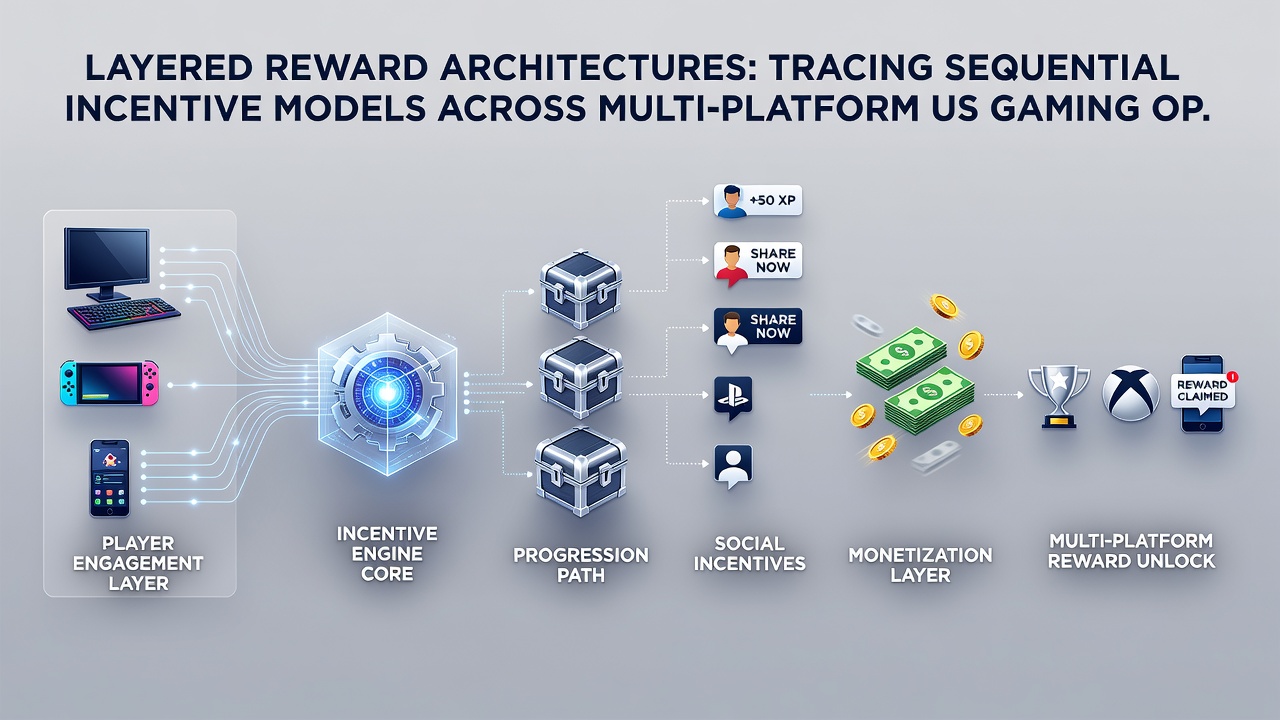
Integration extends to partnerships with payment processors and loyalty networks, and these connections allow operators to import external spend data into internal reward calculations. A player who links a third-party wallet may receive an additional layer of credits that stacks with standard reload offers, provided the transaction meets platform-specific verification steps.
Regulatory and Market Context in 2026
State regulators in Pennsylvania, New Jersey, and Michigan require operators to disclose the full sequence of any layered promotion before a player opts in, and compliance filings from September 2026 reveal that most programs now include clear expiration timelines and wagering multipliers displayed at each stage. Observers note that these transparency rules have prompted operators to simplify some sequences while preserving the overall layered structure.
Market data compiled by university research groups tracking online gaming revenue indicates that sequential incentive models correlate with extended player retention periods compared with one-time bonus structures, and operators continue to test variations that adjust layer frequency or reward size based on regional player behavior patterns.
Examples from Current Operations
Take one Midwest operator that launched a five-layer sequence in spring 2026, and the first layer delivered a deposit match, the second added free spins on select games, the third unlocked a cashback percentage, the fourth granted entry to a leaderboard contest, and the fifth provided a personalized VIP host contact. Players who completed the entire chain within the designated window received an additional platform credit, and tracking data showed strong completion rates among accounts that engaged daily across both app and web interfaces.
Another example appears in a multi-state operator group that coordinates incentives between its sports betting and casino products, and users who move from sports wagers into casino sessions unlock an extra reload layer that would otherwise remain unavailable. The design connects activity types rather than isolating them, and the approach relies on real-time account monitoring to activate the next stage automatically.
Conclusion
Layered reward architectures continue to evolve as US operators refine sequential incentive models that span multiple platforms and product verticals. Regulatory filings and industry metrics from September 2026 demonstrate steady adoption of these structures, with emphasis on cross-device tracking and staged eligibility requirements that guide player progression through defined reward chains.