League Calendars and Incentive Structures: How US Sports Timelines Shape Poker Customizations and Reload Sequences on Major Platforms
Jordan Weber · May 22, 2026
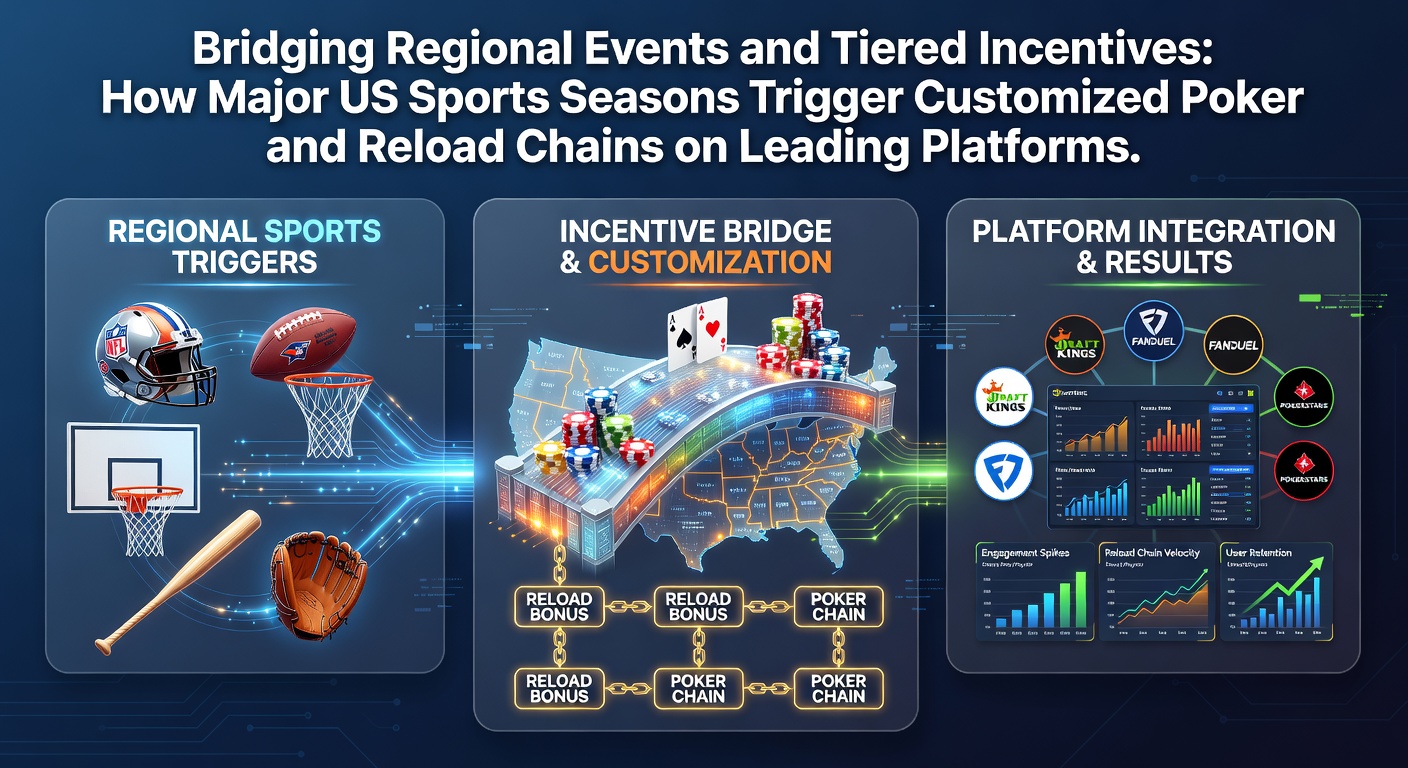
League Calendars and Incentive Structures: How US Sports Timelines Shape Poker Customizations and Reload Sequences on Major Platforms
American sports calendars set predictable rhythms that platforms convert into targeted poker events and layered reload offers. NFL training camps open in July while the regular season begins each September and runs through early January. Those months bring expanded tournament schedules on leading sites where buy-in structures adjust around high-profile matchups and playoff brackets. Data from industry trackers shows poker traffic rising 25 to 40 percent during opening weekends and conference championship weeks because operators add freerolls and satellite events tied directly to game outcomes.
Seasonal Patterns Across Major Leagues
NBA and NHL campaigns stretch from October into June, creating overlapping windows that platforms exploit by launching multi-table tournaments with progressive prize pools. MLB follows a similar arc starting in late March and extending into October. Observers note that sites often introduce reload chains lasting three to seven days when a team clinches a division or reaches the postseason. These sequences typically begin with a modest deposit match, then escalate to cashback percentages or additional poker entries once initial wagering thresholds clear. The structure keeps participants engaged without requiring new accounts.
Poker Customization Tied to Regional Events
Leading platforms segment their poker rooms by league affiliation rather than generic promotions. During the NFL season one major operator runs weekly Thursday night specials where participants receive tickets to Sunday main events based on correct score predictions. Another site links NBA game totals to sit-and-go formats where the winner advances into a larger Sunday tournament with buy-ins scaled according to conference standings. These customizations appear most frequently around marquee matchups and extend through conference finals when viewership peaks. Researchers tracking user logs have documented that such targeted tournaments increase session lengths by an average of 18 minutes compared with standard daily events.
Reload Chains and Tiered Incentive Pathways
Reload sequences unfold in stages that correspond to league milestones. A typical chain starts with a first-deposit match upon signup or return after a quiet period, then moves into mid-week cashback offers tied to live game betting. Final stages often unlock poker-specific rewards such as additional tournament entries or rake rebates once a player clears a set number of hands or achieves a minimum cash-out threshold. Platforms adjust these tiers seasonally; for example, May 2026 coincides with NBA and NHL conference finals plus the early weeks of MLB, prompting several operators to extend reload ladders through the end of that month with escalating poker satellite qualifiers. The approach maintains continuity between sports betting spikes and table-game activity without introducing entirely new bonus categories.
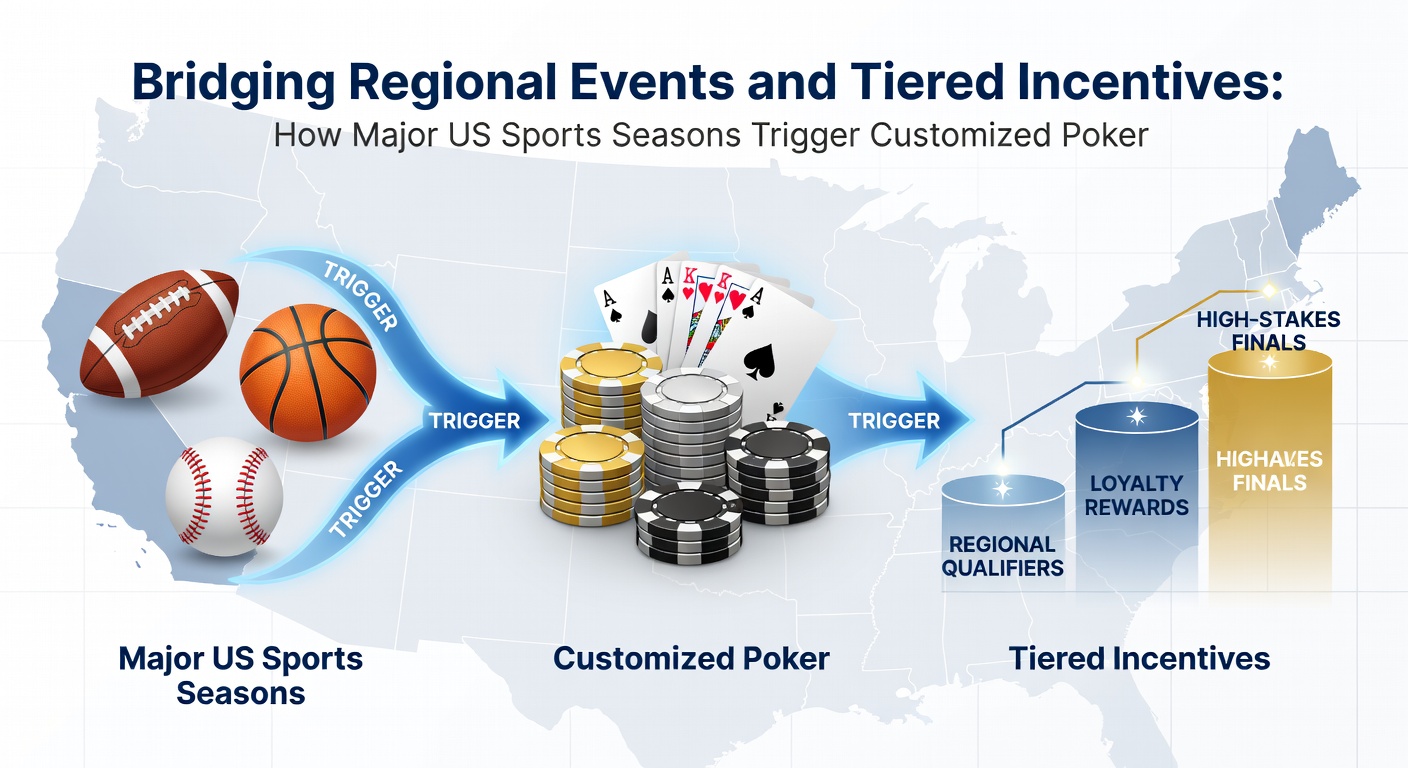
Take one operator that synchronized its June reload ladder with the Stanley Cup Final and NBA Finals overlap. Participants who completed sports wagers on conference-deciding games automatically received scaled poker entries for the following week. Completion rates for the full sequence reached 62 percent among users who started the initial deposit match, according to platform disclosures shared with industry analysts. Similar patterns emerge during the NFL playoffs when sites layer additional cashback onto poker freerolls that run parallel to divisional rounds.
Platform Implementation and User Pathways
Operators manage these bridges through unified loyalty systems that track both sports and poker activity under single accounts. A user placing a parlay on a Monday night football game might receive a notification for a Tuesday poker satellite whose buy-in converts into credits usable across either vertical. The same account then qualifies for a Thursday reload once the poker result posts. This integrated tracking reduces friction and encourages movement between product types. Figures released by the American Gaming Association indicate that multi-product engagement on regulated platforms rose steadily from 2023 through 2025, with seasonal spikes aligning closely to league calendars.
Another example involves a site that introduced a March Madness-style bracket for poker players during the NHL and NBA regular-season finales. Participants predicted series lengths and received reload percentages scaled to accuracy. Those who advanced past the first round unlocked an extra free entry into a high-stakes Sunday tournament. The format ran for four weeks and produced measurable increases in daily active users during periods when sports betting volume traditionally dips between major events.
Regulatory Context and Platform Adjustments
State gaming commissions in markets such as New Jersey and Pennsylvania require clear disclosure of bonus terms and wagering requirements. Platforms respond by publishing seasonal calendars that outline exactly when reload chains activate and which poker events count toward tier advancement. These calendars help users plan activity around league schedules without unexpected restrictions. A 2025 report from the University of Nevada Gaming Research Center noted that transparent seasonal promotions correlated with higher retention rates among players who participated across multiple game types.
Conclusion
US league timelines continue to serve as reliable anchors for poker customization and reload sequencing on established platforms. The overlap of NFL, NBA, NHL, and MLB calendars supplies repeated opportunities for operators to align tournament structures and incentive ladders with peak viewing periods. Data collected through 2026 shows these bridges sustain engagement across both sports and table-game verticals by converting single-event interest into extended participation sequences. As May 2026 approaches with concurrent conference finals and early baseball schedules, platforms are expected to deploy similar layered offers that maintain continuity through the summer months.