How Tiered Reward Systems Shape Long-Term Participation at Leading US Wagering Platforms
Devon Patterson · Aug 2, 2026
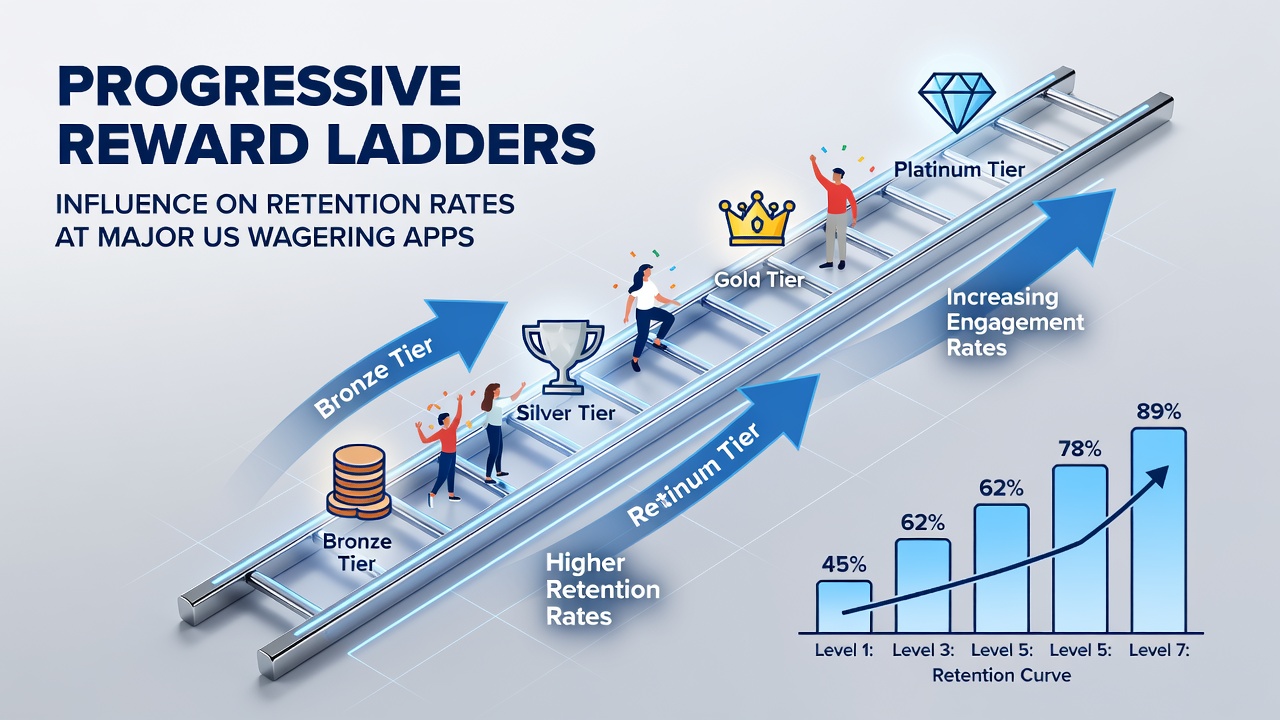
How Tiered Reward Systems Shape Long-Term Participation at Leading US Wagering Platforms
Progressive reward ladders function as structured loyalty mechanisms that escalate benefits based on cumulative user activity across major US wagering applications. These systems typically feature multiple tiers where participants unlock enhanced perks such as boosted odds, exclusive free bets, and personalized cashback rates as their betting volume or deposit frequency rises. Data from industry reports shows that operators like DraftKings and FanDuel have integrated these ladders into their core offerings since the early 2020s, with updates continuing through 2026.
Mechanics Behind Progressive Reward Ladders
Users enter at an initial level and advance by meeting specific thresholds tied to wagers placed or funds deposited over defined periods. Advancement often resets or carries forward depending on the platform's design, while benefits compound at higher tiers. According to analyses from the American Gaming Association, these structures encourage consistent engagement because each new tier delivers tangible value that compounds over time. Observers note that the design mirrors loyalty models in other sectors yet adapts to wagering regulations that vary by state.
Platforms calculate progress through metrics including total handle, number of active days, and diversity of bet types. Higher tiers frequently grant access to dedicated account managers and priority withdrawal processing. Research from university studies on consumer behavior in digital gaming indicates that such incremental rewards reduce churn by creating a sense of ongoing achievement.
Retention Patterns Observed in Major Markets
Retention rates improve when ladders incorporate both short-term milestones and long-term accumulation goals. Figures from North American gaming research reveal that users who reach the second or third tier within their first three months demonstrate markedly higher return rates compared to those who remain at entry level. In August 2026, several operators adjusted their tier requirements amid seasonal fluctuations in sports betting volume, aligning promotions with upcoming league schedules to sustain momentum.
One study conducted across multiple states found that participants in progressive systems logged in 40 percent more frequently than non-participants during equivalent observation windows. This pattern holds across different user demographics, though younger bettors tend to prioritize immediate tier perks while established users value sustained cashback structures. External data from the Canadian Gaming Association highlights similar dynamics in regulated markets where loyalty ladders operate under comparable oversight frameworks.
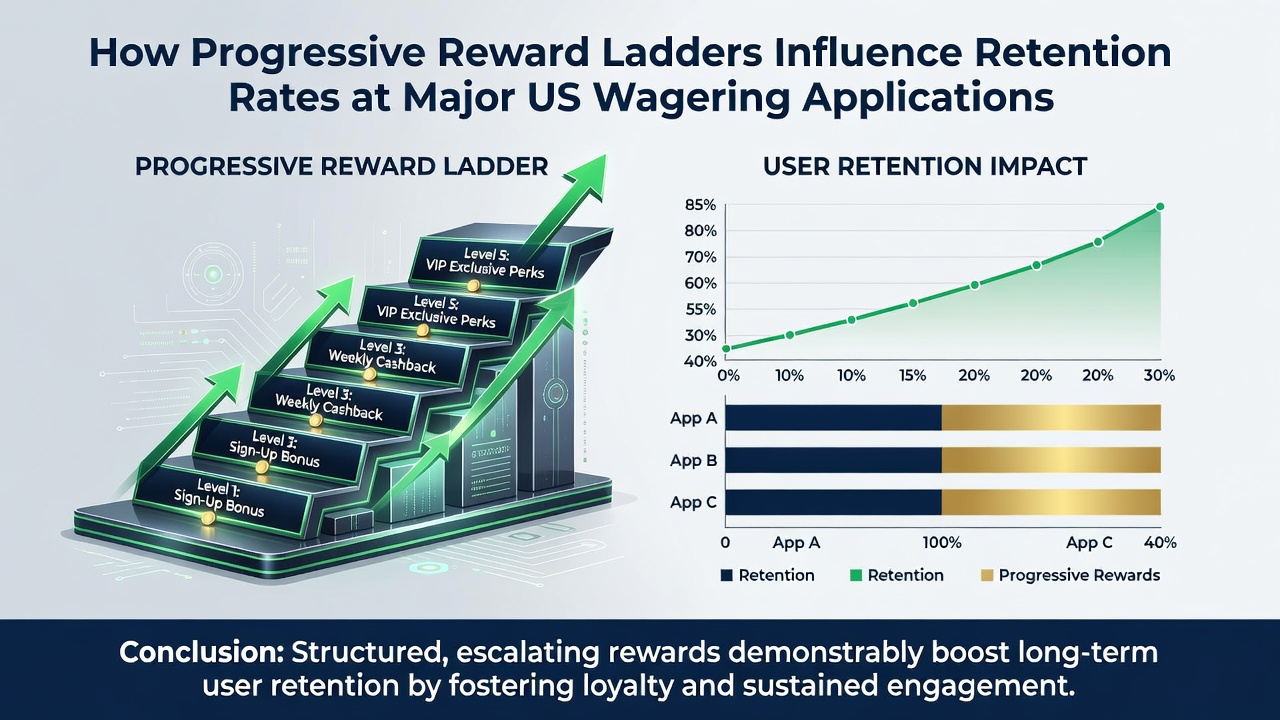
Comparative Performance Across Leading Applications
Major platforms differentiate their ladders through unique reward combinations rather than identical structures. Some emphasize multiplier bonuses on select sports while others focus on casino-style rewards for hybrid users. Those who have examined platform data note that applications integrating social elements, such as tier-based leaderboards, sustain participation longer than purely transactional models. Evidence from academic papers on digital engagement shows that perceived exclusivity at upper tiers contributes to prolonged platform loyalty.
State-specific regulations influence how aggressively these systems can promote advancement. Markets with stricter advertising rules require clearer disclosure of tier criteria, which in turn affects how quickly new users grasp potential benefits. Reports compiled by the Nevada Gaming Control Board track aggregate player activity and indicate steady increases in multi-month retention where tiered programs include transparent progression paths.
Factors Moderating Effectiveness
External variables including economic conditions and competing entertainment options interact with reward ladder outcomes. Platforms that refresh tier benefits periodically maintain higher engagement than those with static offerings. Data indicates that users respond positively to surprise upgrades or limited-time tier accelerations, which operators deploy during major sporting events. Yet researchers emphasize that retention gains depend on responsible implementation that aligns with user spending patterns rather than aggressive escalation.
Conclusion
Progressive reward ladders continue to evolve as tools for managing retention at major US wagering applications. Available evidence demonstrates measurable associations between tier progression and sustained user activity, while regulatory frameworks and platform innovations shape their ongoing development. As markets mature through 2026 and beyond, operators adjust these systems based on performance metrics drawn from diverse geographic and demographic segments.