How Tiered Loyalty Structures Shape Player Retention Patterns on US Gaming Platforms
Uma Schmitt · Jun 28, 2026
How Tiered Loyalty Structures Shape Player Retention Patterns on US Gaming Platforms
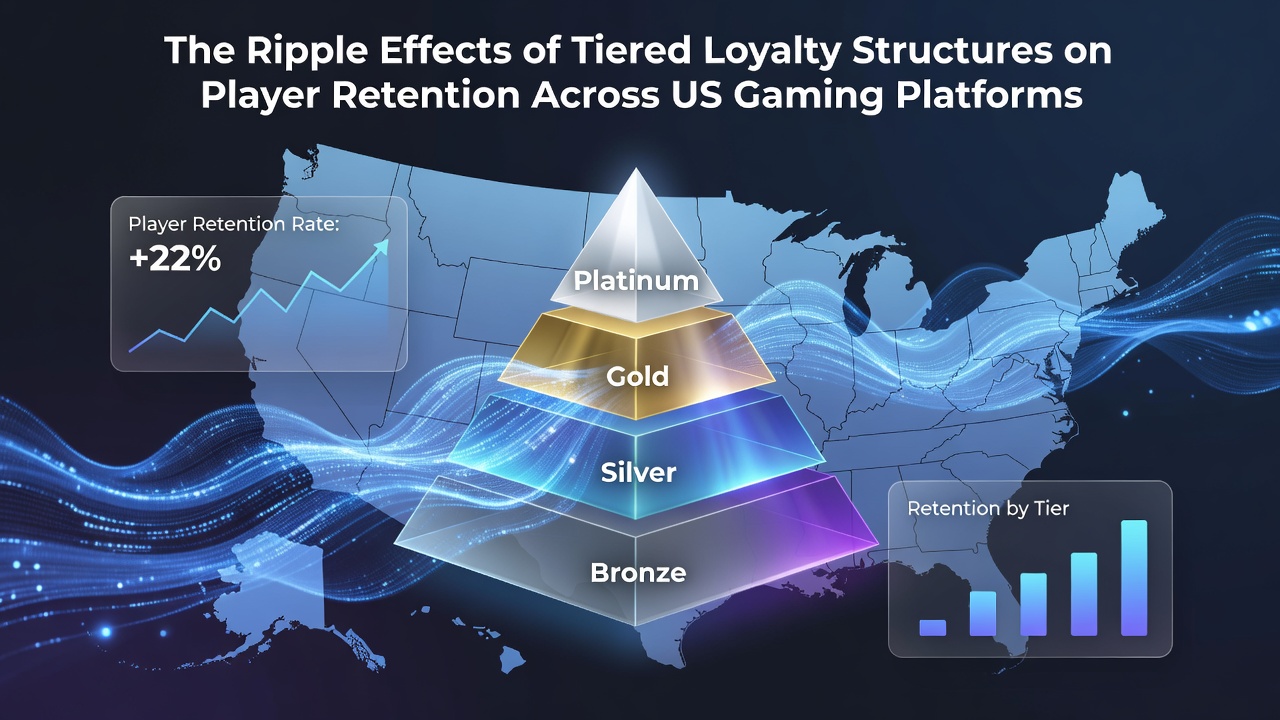
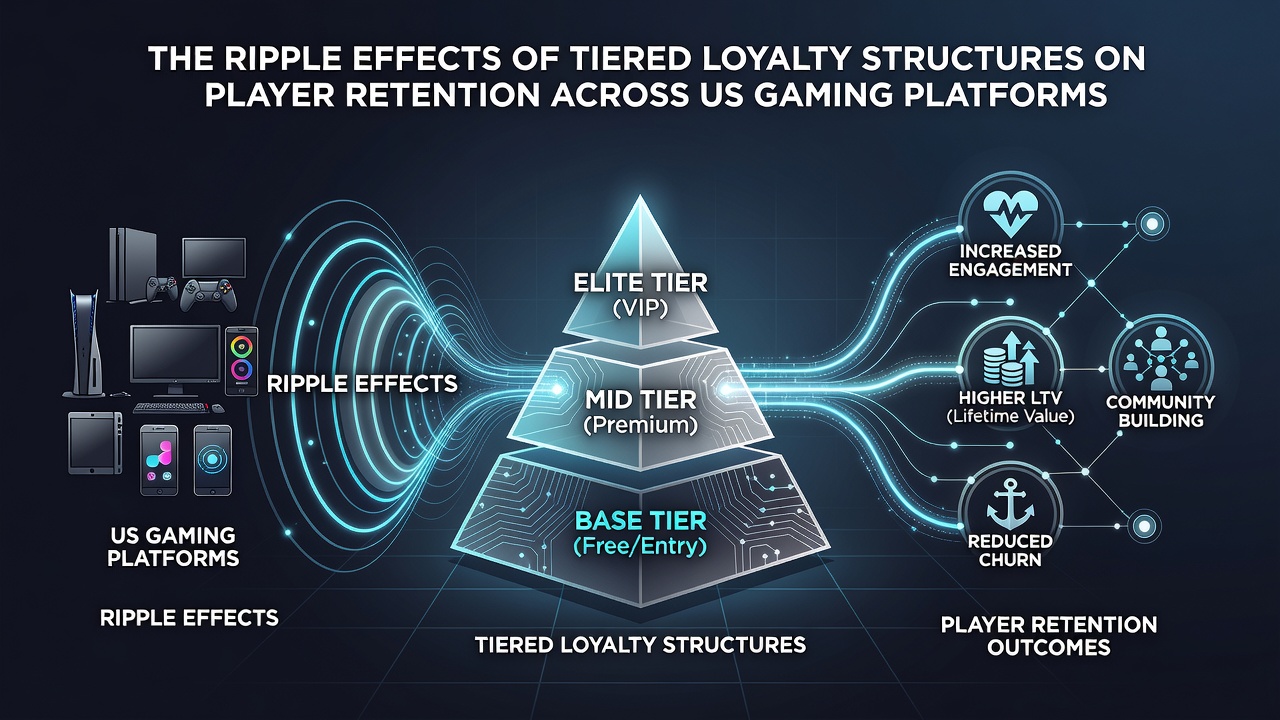
US gaming platforms have adopted tiered loyalty structures as a core mechanism for managing user engagement, and these systems create measurable patterns in how players maintain activity over extended periods. Operators such as DraftKings and FanDuel organize rewards into ascending levels where users accumulate points through wagers or deposits, unlocking benefits that scale with each tier. Data compiled by state regulators in markets including New Jersey and Pennsylvania indicates that participants in higher tiers demonstrate longer average session durations and reduced churn rates compared with entry-level users.
Platforms calculate tier progression using formulas that factor in total handle, frequency of play, and sometimes deposit volume, which produces a hierarchy that rewards consistent behavior. Lower tiers typically offer basic perks such as bonus credits or free spins, while elevated tiers include cashback percentages, personalized account managers, and expedited withdrawals. Observers note that this structure generates a feedback loop where initial rewards encourage players to increase activity enough to reach the next level, thereby extending their overall tenure on the platform.
Mechanics Behind Tier Progression and Reward Distribution
Each platform defines its own point-earning rates and reset periods, yet most operate on monthly or quarterly qualification windows that force users to sustain volume to retain status. Research from the American Gaming Association shows that platforms with quarterly resets experience a measurable uptick in activity during the final weeks of each cycle, as users chase remaining requirements. Benefits at higher tiers often include reduced wagering requirements on bonuses and access to exclusive tournaments, elements that further differentiate the experience across levels.
One operator that introduced a five-tier model in early 2025 reported that players reaching the third tier within the first quarter maintained accounts active for an average of 47 percent longer than those who remained at the base level. Such outcomes align with findings from academic analyses of gamification techniques, which identify status elevation as a strong predictor of continued platform use across digital entertainment sectors.
Retention Metrics Across Major US Markets
State-level reporting from Illinois and Michigan reveals that loyalty-tier participants account for a disproportionate share of total handle while representing a smaller percentage of registered accounts. In Illinois, tiered users generated 62 percent of sports betting volume during the first half of 2026 despite comprising only 28 percent of active accounts. Similar distributions appear in Michigan data, where platinum and diamond tier members recorded monthly retention rates above 85 percent compared with 41 percent for non-tiered players.
June 2026 figures from multiple operators indicate that seasonal events such as the NBA Finals and MLB All-Star break amplified these patterns, with tiered users showing smaller drop-offs in activity once the events concluded. Platforms that adjusted point multipliers during these periods observed accelerated tier climbs and subsequent retention gains that persisted into subsequent months.
Cross-Platform Comparisons and Geographic Variations
Operators licensed in multiple states often synchronize tier structures across jurisdictions, yet regional differences in player demographics produce distinct retention outcomes. Platforms serving East Coast markets report faster progression rates among users aged 25 to 34, whereas Midwest platforms see steadier advancement from users aged 35 to 49. A 2026 industry report compiled by the American Gaming Association highlights that these demographic patterns influence how operators allocate marketing resources toward tier advancement incentives.
Comparisons between sportsbooks and online casinos within the same corporate family show that casino players tend to reach mid-tier status more rapidly due to higher game frequency, while sportsbook users require longer qualification periods but exhibit stronger retention once they attain top tiers. This divergence creates platform-specific strategies for promoting tier movement.
Secondary Effects on Player Behavior and Platform Economics
Tiered systems also affect deposit patterns, with data from Pennsylvania indicating that users approaching a tier threshold increase average deposit sizes by 19 percent in the preceding 14 days. Operators respond by deploying targeted communications that remind users of remaining requirements, a tactic that further concentrates activity among tier aspirants. Such concentration can produce volatility in monthly revenue if a large cohort of users fails to requalify after a reset period.
External analyses from university research centers have examined whether tier benefits correlate with changes in responsible gaming metrics, and preliminary findings suggest that higher-tier users utilize self-exclusion tools at lower rates than base-level accounts. Platforms have begun incorporating voluntary spending caps as tier benefits to address this observation while maintaining engagement incentives.
Conclusion
Tiered loyalty structures on US gaming platforms generate interconnected effects on retention that extend beyond simple reward accumulation. Retention data from regulated states demonstrates consistent advantages for users who advance through tiers, while platform economics reflect both increased handle concentration and periodic volatility tied to qualification cycles. As operators refine these systems through 2026 and beyond, the interplay between tier mechanics, player demographics, and regional regulations will continue to shape how engagement and retention evolve across American digital gaming environments.