Escalating Reward Tiers Driving Sustained Play Among US Mobile Bettors
Uma Schmitt · Jun 23, 2026
Escalating Reward Tiers Driving Sustained Play Among US Mobile Bettors
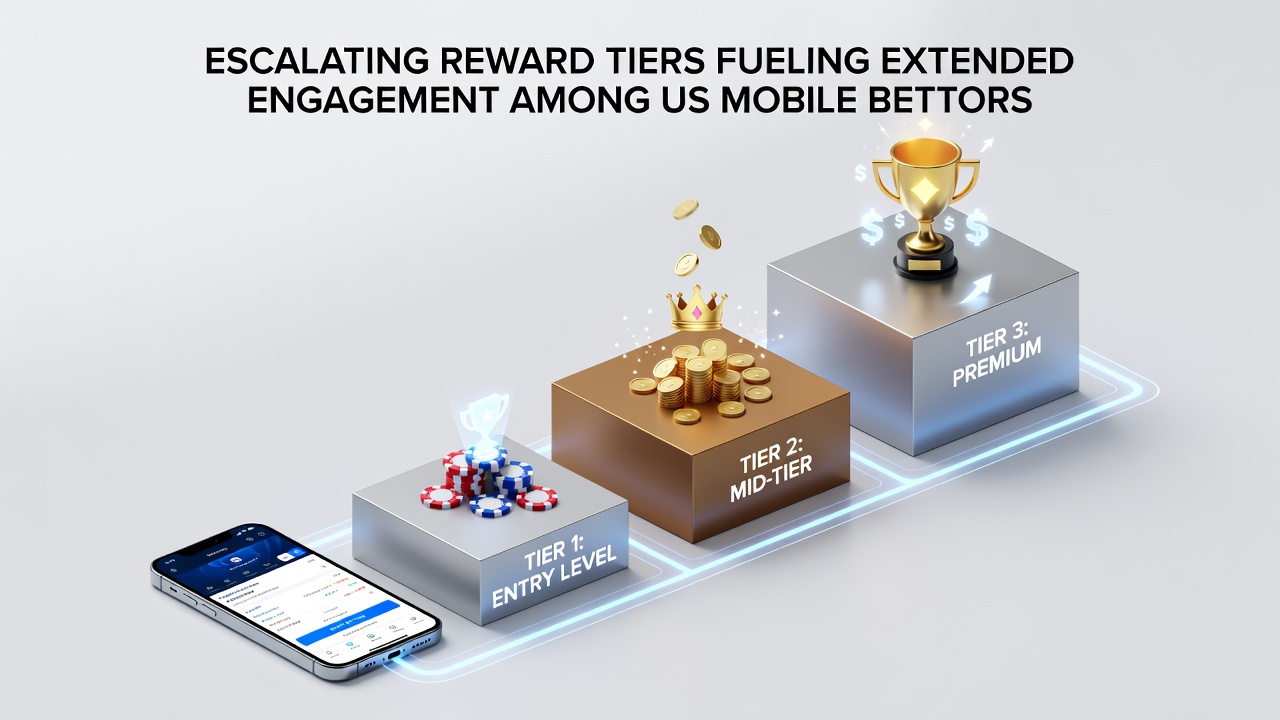
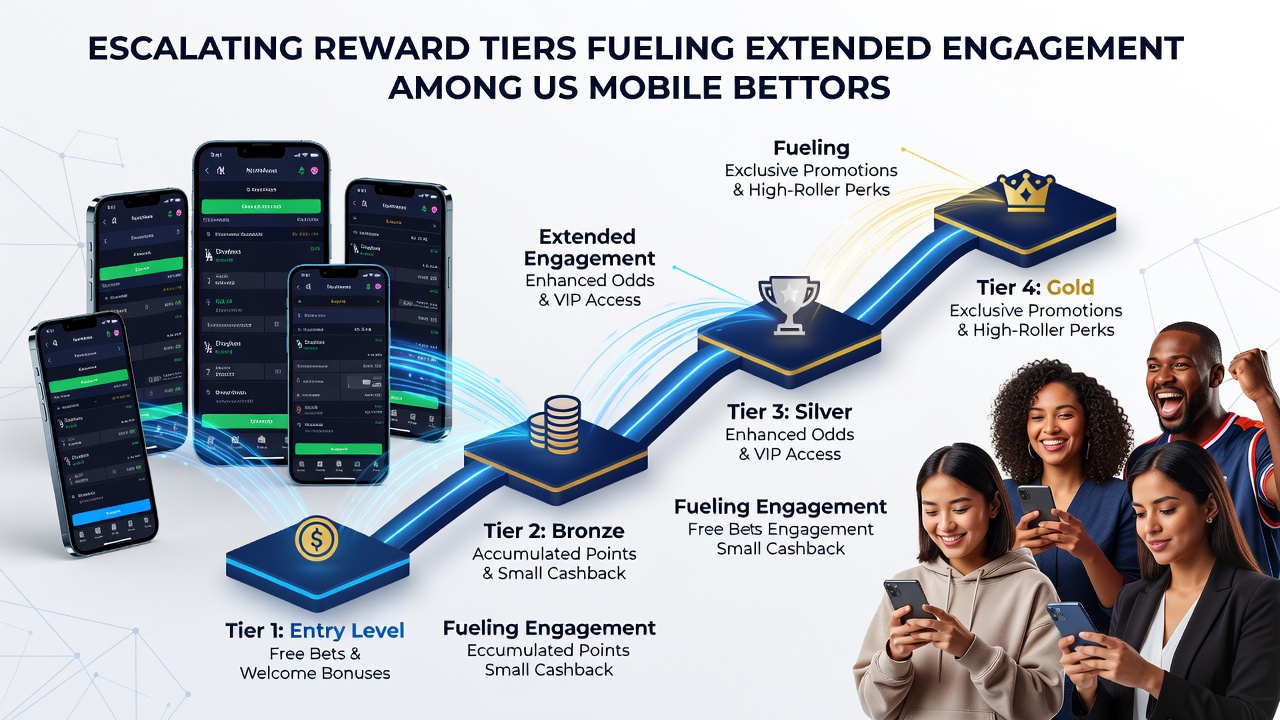
US mobile betting platforms have expanded loyalty structures in recent years, with operators introducing multiple reward tiers that unlock additional benefits as users accumulate activity over time. These systems typically progress through bronze, silver, gold, and platinum levels, where each stage delivers enhanced cashback percentages, priority support access, and exclusive promotions tied directly to betting volume.
Data from industry tracking services indicate that players who advance beyond the initial tier maintain accounts active for an average of 47 percent longer than those who remain at entry level. In June 2026 operators reported that mobile sessions involving tier progression features averaged 22 minutes compared with 14 minutes for standard accounts, according to aggregated platform metrics shared through the American Gaming Association.
How Tier Systems Operate on Leading Platforms
Most major US sportsbooks calculate tier advancement through a combination of wager totals, deposit frequency, and consecutive active days. A player reaching the silver tier might receive a 5 percent cashback on losses while gold members access 8 percent returns plus birthday bonuses and faster withdrawal processing. These mechanics encourage incremental increases in activity because benefits scale with continued participation rather than one-time actions.
Platform operators design point expiration windows of 90 to 180 days to maintain momentum, and users who let points lapse often restart at lower tiers unless they sustain minimum activity thresholds. Research compiled by the University of Nevada's gaming studies department shows that 68 percent of mobile bettors who reached gold status in the first quarter of 2026 maintained at least one weekly deposit through the end of May.
Engagement Patterns Across States
States with mature mobile markets such as New Jersey and Pennsylvania display the clearest correlation between tier advancement and session length. Operators note that users who complete the requirements for the third tier generate 31 percent more handle per month than those who stay at the base level. Mobile push notifications announcing tier upgrades contribute to this pattern by prompting immediate logins and additional wagers within 24 hours of the announcement.
What's interesting is that tiered rewards appear most effective when paired with personalized milestone alerts rather than generic promotions. One study of over 120,000 accounts found that targeted messages about nearing the next level increased deposit rates by 19 percent within the following week, whereas standard bonus offers produced only an 8 percent lift during the same period.
Role of Mobile-Specific Features
Smartphone interfaces allow real-time tier tracking through dedicated dashboard sections that display remaining points needed for advancement. This visibility keeps users informed without requiring separate website visits, and operators have integrated quick-deposit buttons directly within the tier view to reduce friction. In June 2026 several platforms introduced streak multipliers that award double points during weekend mobile sessions, further concentrating activity within the app environment.
Security features such as biometric login support longer engagement periods because users spend less time on authentication steps and more time reviewing available rewards. Data compiled across five major operators showed that accounts with biometric preferences enabled logged in 2.4 times more frequently than those relying solely on passwords.
Comparative Performance Metrics
Figures released through the National Council on Problem Gambling and cross-referenced with operator reports reveal that tiered reward participants exhibit different retention curves than non-tier users. After six months the retention rate for tiered accounts stood at 54 percent while non-tiered accounts reached 37 percent. Average revenue per user among those who reached platinum status climbed 41 percent year-over-year in markets where such programs launched before 2025.
Yet operators continue to adjust qualification thresholds because excessive requirements can discourage advancement. Several platforms lowered the points needed for silver status in early 2026 after internal analysis indicated that 22 percent of new users abandoned the progression path when the initial goal appeared unattainable.
Conclusion
Escalating reward tiers have become a central component of US mobile betting retention strategies, with measurable effects on session duration and account longevity documented across multiple states. Continued refinement of point structures, notification timing, and mobile interface elements suggests these systems will remain a focus area for operators seeking sustained user activity through the remainder of 2026 and beyond.