Cross-Platform Sync Rewards: Tracing How Unified Accounts Are Reshaping Bonus Accumulation Across US Sportsbooks and Casinos
Uma Schmitt · Jun 16, 2026
Cross-Platform Sync Rewards: Tracing How Unified Accounts Are Reshaping Bonus Accumulation Across US Sportsbooks and Casinos
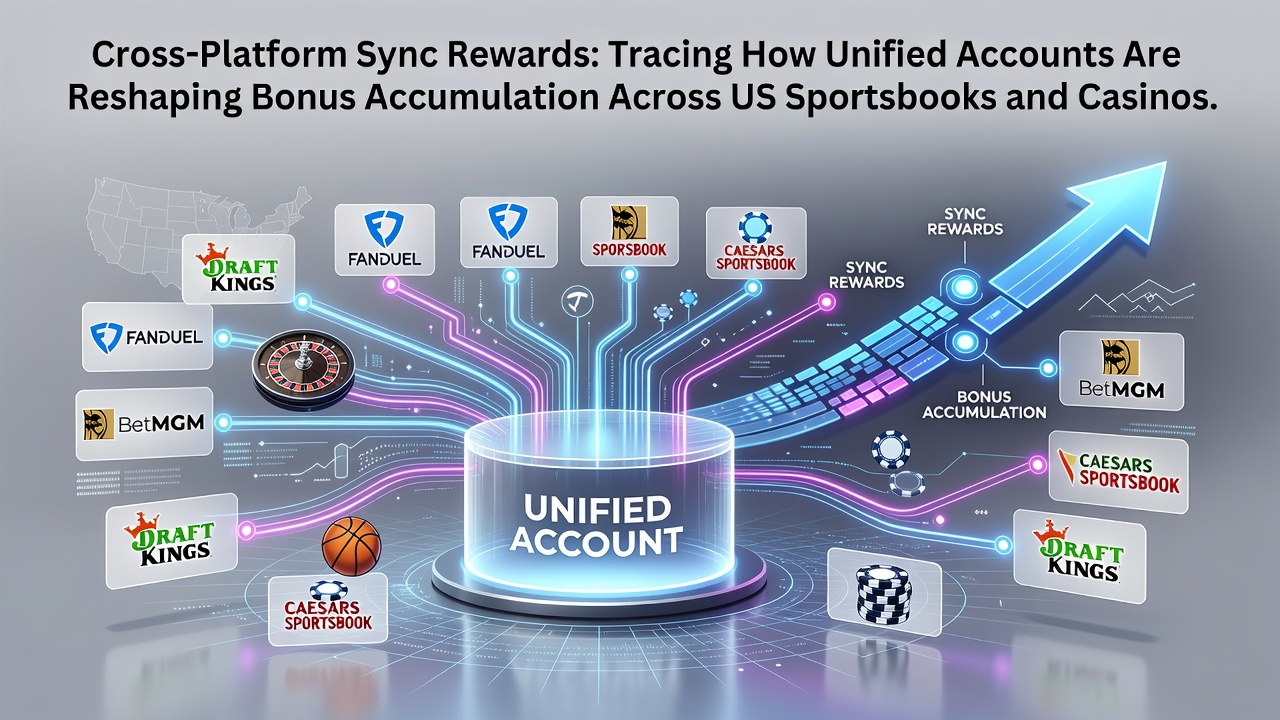
Operators across the United States have accelerated the rollout of unified account systems that let players carry progress, loyalty points, and promotional credits between sportsbooks and casino sections without separate logins or manual transfers, and this shift gained momentum through early 2026 as states expanded legal markets. Data from industry trackers shows that platforms linking these verticals under single profiles recorded higher average session lengths compared with fragmented setups because users no longer needed to manage multiple wallets or chase separate welcome offers. The technical backbone involves shared player databases that update in real time, so a deposit made on one side immediately reflects in bonus eligibility on the other. Several multistate operators introduced this feature in 2025 and expanded it further by June 2026, allowing seamless movement of free bet tokens earned from sports wagers into casino play or vice versa. According to reports from the American Gaming Association, such integration reduced account fragmentation rates by noticeable margins in markets like Pennsylvania and Michigan where operators run both verticals.How Unified Systems Track and Apply Rewards
Unified accounts rely on centralized ledgers that record every qualifying action whether it occurs in sports betting or slots, then apply tiered multipliers or cashback rates automatically. Players who place a parlay on a Sunday afternoon might see the resulting free bet credit appear in the casino wallet within minutes, ready for use on table games or video poker. This automation eliminates the need for support tickets that once delayed bonus redemptions, and operators report fewer disputes over expired offers because the system timestamps every credit at the moment of issuance.
State regulators have taken notice of the trend. The New Jersey Division of Gaming Enforcement updated its reporting guidelines in late 2025 to require operators to disclose how cross-vertical bonuses calculate toward playthrough requirements, ensuring transparency for users who move funds between sections. Similar updates appeared in other jurisdictions by mid-2026, creating a patchwork of rules that still favor interoperability over isolated bonus pools.
Impact on Player Behavior and Retention Metrics
Retention data collected through the first half of 2026 indicates that accounts with cross-platform syncing maintained higher monthly active rates than single-vertical profiles. One operator group observed that users who activated the unified feature returned on 28 percent more days per quarter, largely because the combined reward pool encouraged daily logins across both products. Loyalty programs that previously capped points separately now merge them into a single tier structure, so a high-volume sports bettor can unlock casino-specific perks without additional play on that side.
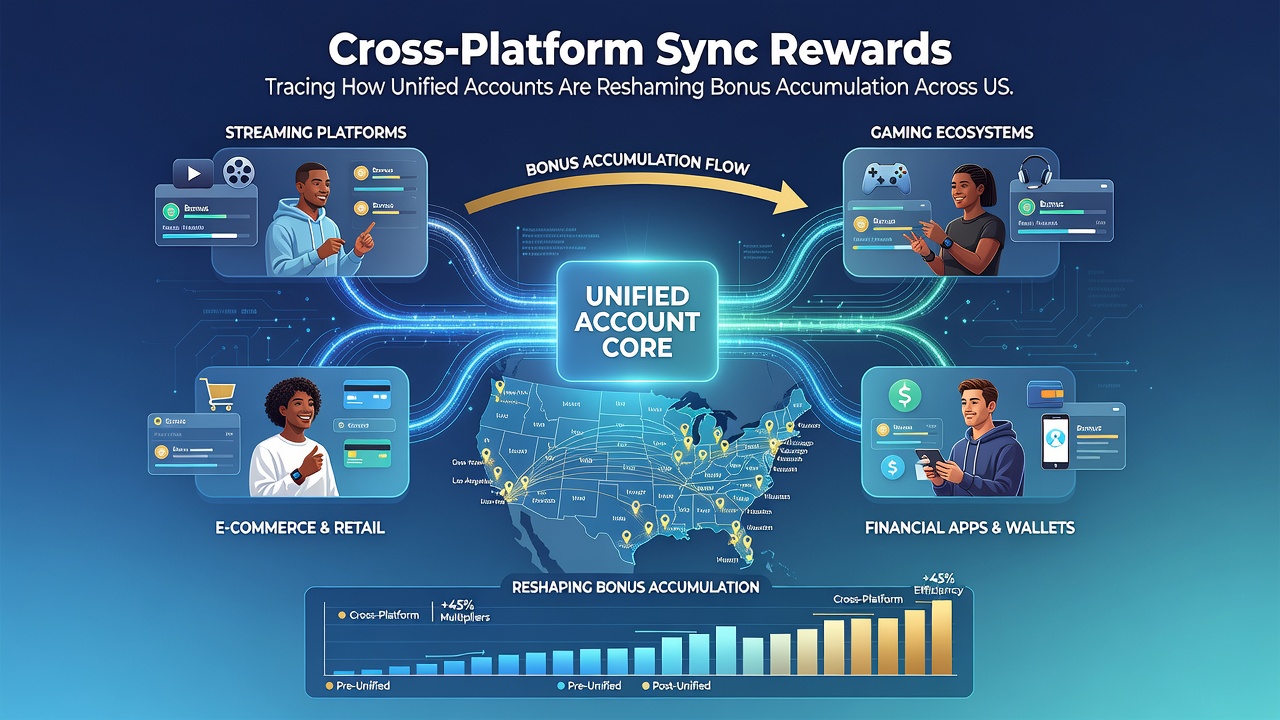
Case examples illustrate the pattern. A Midwest-based operator launched its synced system in March 2026 and tracked a measurable uptick in cross-product exploration, with sports-focused users trying casino titles at roughly double the previous rate. Meanwhile, casino regulars began placing more frequent sports wagers once they saw their existing loyalty level carry over. These behavioral shifts align with findings from academic studies on digital platform design, where reduced friction between related services correlates with broader engagement.
Regulatory and Technical Considerations in 2026
By June 2026, several states required operators to maintain clear audit trails for synced bonuses so that tax reporting and responsible gaming tools function consistently across verticals. This meant updating geofencing protocols and identity verification layers to handle simultaneous sessions without creating compliance gaps. Operators responded by investing in cloud-based identity platforms that verify users once and propagate the status everywhere else in the ecosystem.
Industry organizations such as the Responsible Gambling Council have examined these systems for potential risk amplification, noting that seamless transfers could encourage longer play sessions if not paired with robust limit-setting tools. Their guidance encourages operators to surface unified balance information alongside session timers so users retain visibility into total activity.
Future Trajectory for Bonus Structures
Market analysts project continued expansion of unified accounts into additional states as licensing frameworks mature. Newer entrants in Ohio and North Carolina have already signaled plans to launch with synced infrastructure rather than retrofitting later, shortening the typical development cycle. Partnerships between software providers and payment processors further streamline the experience by allowing single deposits to fund both sides while automatically tagging eligible bonus amounts.
Players benefit from consolidated tracking that surfaces all active promotions in one view, reducing the chance of missing time-sensitive offers that previously lived in separate apps. This consolidation also simplifies tax documentation because winnings and bonus redemptions appear under a single account identifier regardless of the vertical that generated them.
Conclusion
Unified account frameworks continue to reshape how US sportsbooks and casinos structure and deliver rewards by merging previously separate ecosystems into one continuous loop of accumulation and redemption. As more jurisdictions adopt consistent rules around cross-vertical play, the model shows signs of becoming standard infrastructure rather than a competitive differentiator. Observers tracking adoption rates through mid-2026 note steady growth in both user uptake and operator investment, pointing toward broader implementation across remaining legal markets.